
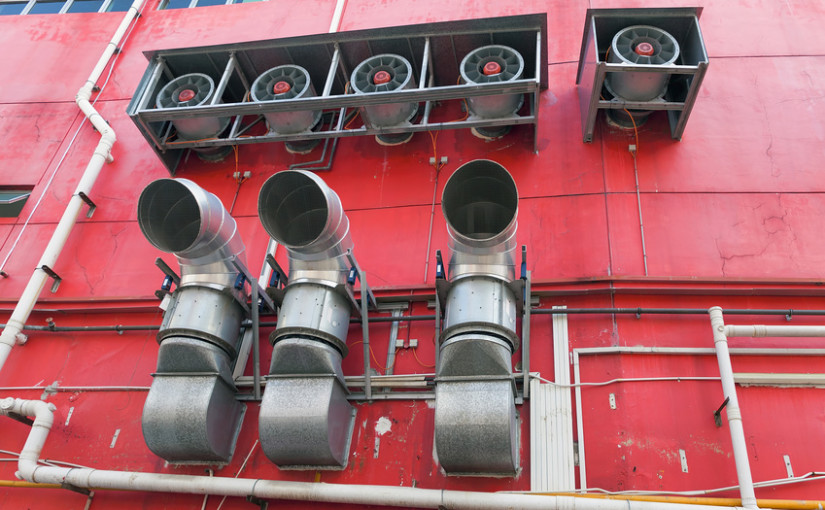
Indoor comfort and air quality have become essential priorities for commercial, industrial, and multi-residential spaces. From maintaining balanced temperatures to ensuring fresh airflow, every building depends on efficient air-moving equipment. One solution that continues to deliver dependable performance across a wide range of applications is the inline centrifugal fan. Designed for stability, pressure, and space-efficient installation, it supports the ventilation needs of today’s more demanding environments.
The Importance of Consistent, Controlled Air Movement
Well-designed airflow plays a bigger role in building performance than most people realize. Proper ventilation helps limit moisture buildup, reduce stale air pockets, and maintain cleaner, healthier indoor environments. Balanced airflow also helps protect equipment, prevent overheating, and support energy-efficient heating and cooling systems.
As buildings become more tightly sealed and energy-focused, mechanical ventilation is no longer optional; it’s essential.
What Makes This Type of Fan Stand Out?
An inline centrifugal fan combines a compact footprint with strong airflow and dependable pressure capabilities. Its design allows it to sit directly within ductwork, making installation easier in areas with limited mechanical space. Unlike axial models that move air straight through their blades, centrifugal wheels generate stronger pressure, allowing air to travel farther and overcome resistance within the duct system.
Here’s why this design is commonly preferred:
1. Easier Integration Into Tight Spaces
Inline housing allows the fan to sit neatly inside ducts, saving valuable structural and mechanical room space. This is especially beneficial in offices, retail spaces, multi-unit buildings, and anywhere ceiling or equipment space is limited.
2. Naturally Quieter Operation
Because the wheel and motor are enclosed, this design typically produces less noise than many alternatives. It creates smoother airflow, making it ideal for areas where quiet operation matters such as conference rooms, restaurants, classrooms, and workspaces.
3. Reliable Pressure for Longer Duct Runs
Duct systems with elbows, filters, or long distances require stronger airflow support. The design of an inline centrifugal fan allows it to maintain performance even under higher static pressure, helping ensure consistent air distribution throughout the building.
Where These Fans Are Most Commonly Used
One of the major advantages of this type of fan is its versatility. It works efficiently in many different environments, including:
Commercial HVAC Systems
Many buildings depend on these fans to support primary or supplemental airflow. They help reduce temperature inconsistencies and support better overall climate control.
Restrooms, Laundry Rooms, and High-Humidity Areas
Spaces with moisture require stronger ventilation. The fan’s pressure capabilities help remove humid air quickly to prevent mold or odor concerns.
Manufacturing, Workshops, and Industrial Buildings
From dust collection to fume control, the system’s reliability makes it suitable for more demanding environments that require stable airflow.
Exhaust and Filtration Systems
An inline centrifugal fanworks well with filters and scrubbers, helping move air efficiently even when obstacles increase resistance.
Durability That Supports Long-Term Performance
A major reason these fans are widely used is their ability to handle continuous operation. High-quality models are built with strong housings, precision-balanced wheels, durable bearings, and finishes that help withstand demanding environments.
Additional performance-enhancing features may include:
- Various wheel designs for clean or particulate-laden air
- Motor options that support energy efficiency
- Coated surfaces that resist corrosion
- Easy-access panels for maintenance and inspection
These features help the fan deliver reliable performance while minimizing downtime, service needs, and long-term operating costs.
Choosing the Right Fan for a Specific Application
Ventilation needs vary widely depending on the type of building and the system design. Selecting the ideal model involves reviewing airflow requirements, duct length, system resistance, space limitations, and noise sensitivity. A properly sized inline centrifugal fan ensures the system delivers dependable airflow without unnecessary energy consumption.
Some key considerations include:
- Required CFM to meet ventilation standards
- Static pressure created by duct layout, filters, or dampers
- Available space for installation in ceilings or duct runs
- Noise expectations for the environment
- Electrical and motor performance specifications
Matching the fan to the system’s actual operating conditions helps ensure a smoother and more efficient overall design.
Enhancing Energy Efficiency in Modern Buildings
As today’s buildings increasingly focus on energy conservation, choosing equipment that balances performance and efficiency is essential. Many centrifugal fans now incorporate more advanced motor technologies and aerodynamic wheel designs that reduce power draw while delivering stable airflow.
For building owners and facility managers, this results in:
- Lower long-term operating costs
- Improved indoor comfort
- Better system reliability
- Support for modern ventilation standards
A well-designed inline centrifugal fan contributes directly to creating a healthier, more efficient indoor environment.
From commercial buildings to industrial workspaces, inline centrifugal fans continue to play a crucial role in supporting dependable ventilation and balanced indoor air quality. Their combination of compact design, strong pressure capabilities, and steady performance makes them a trusted choice for modern mechanical systems. For high-quality solutions backed by industry expertise, Brooklyn Fan & Blower Sales Company, Inc. provides products designed to meet the needs of today’s demanding airflow requirements.