
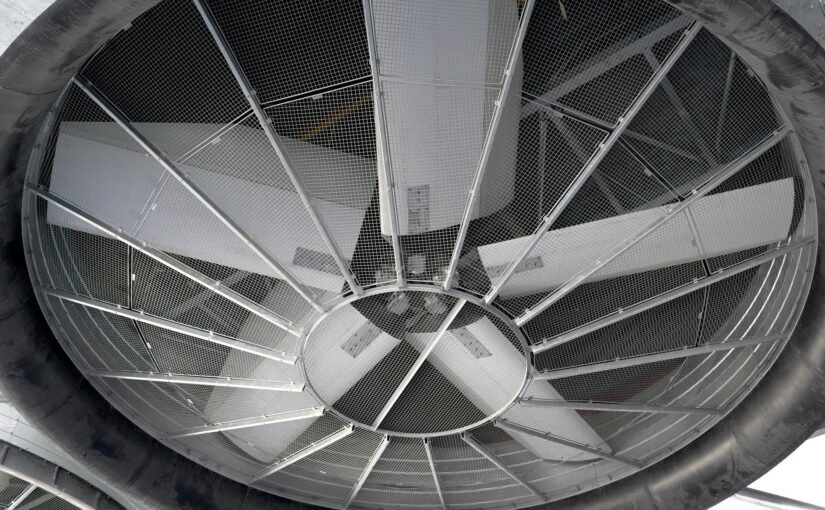
Finding the right ventilation system can make a noticeable difference in how smoothly a facility operates. Today, many industries are shifting toward more efficient and durable equipment that supports long-term performance. Built for demanding environments and designed to reduce hassle, this technology is becoming a go-to choice for facilities that want dependable airflow without the complications that come with older mechanical systems.
A Practical Upgrade for Modern Facilities
Industrial and commercial buildings rely on steady, predictable airflow to maintain safe and comfortable conditions. A direct drive blower provides a cleaner, more streamlined design compared to belt-driven systems. Without belts, pulleys, or tension adjustments, the motor connects directly to the fan wheel, creating a more efficient and controlled movement of air.
This approach eliminates many of the mechanical reasons traditional ventilation systems break down. When a system operates with fewer moving parts, it naturally requires less attention. This simplicity is one of the core reasons many facility managers view it as a worthwhile upgrade, especially when balancing budgets, maintenance schedules, and long-term operational goals.
Designed for Low Maintenance and Long-Term Durability
Maintenance is one of the biggest considerations when selecting any ventilation equipment. The lower the upkeep, the more a business can focus on daily operations without worrying about unexpected downtime.
Because the system experiences fewer mechanical stress points, its components tend to last longer. Fewer repairs mean fewer interruptions, and that consistency brings peace of mind to facility teams who rely on uninterrupted airflow. Simple inspections replace complex belt maintenance, allowing technicians to work more efficiently. Over time, many businesses notice meaningful cost savings because their ventilation equipment stays in service longer with less frequent repairs.
Energy Efficiency That Supports Today’s Sustainability Standards
Energy efficiency is more important than ever, especially for facilities working toward sustainability goals or seeking ways to reduce utility costs. A direct drive blower delivers impressive performance because nearly all of the motor’s power transfers directly to the fan. This reduced energy loss makes the system more efficient than belt-driven alternatives.
In addition, many models can integrate with variable frequency drives, allowing precise control over airflow. Instead of running at a constant speed, the system can adjust to meet real-time demand, reducing energy use during slower periods and increasing it only when necessary. This adaptability helps facilities optimize performance while actively reducing power consumption throughout the year, supporting both budget goals and long-term environmental initiatives.
Reliability That Meets the Demands of Harsh Environments
Busy industrial spaces need ventilation systems that operate consistently, even under heavy use. A high-quality direct drive blower is built with durability in mind, offering stable air movement without common problems like belt slippage or misalignment. This reliability is essential in environments such as manufacturing floors, processing plants, loading areas, and commercial kitchens, where proper ventilation directly affects safety and productivity.
Another advantage is its compact design. Because the system does not require space for belt and pulley assemblies, it fits more easily into tight or awkward spaces. This makes it an ideal option for retrofits or upgrades where available room is limited but ventilation requirements remain high.
A Quieter Solution for Workspaces That Value Comfort
Noise control is a subtle yet important factor in choosing the right ventilation system. Excessive noise can interrupt workflow, lower productivity, and create unpleasant working conditions. A direct drive blower supports a quieter environment because its integrated motor-and-wheel design reduces vibration and mechanical noise.
This smoother performance is especially valuable for environments that operate around the clock. Retail stores, offices, labs, and commercial facilities all benefit from cleaner and quieter ventilation. Even in industrial settings, reduced noise creates a more comfortable atmosphere for employees.
Flexibility for a Wide Variety of Applications
Another reason this technology continues to gain popularity is its adaptability. A direct drive blower performs well across many applications, including:
- HVAC systems of various sizes
- Air-handling units
- Exhaust and make-up air systems
- Dust collection and filtration setups
- Process ventilation in manufacturing
Its ability to deliver consistent airflow, along with its easy installation and reduced maintenance needs, makes it valuable for both construction and equipment replacement projects.
Because the system focuses on performance without unnecessary mechanical complexity, it remains one of the most versatile ventilation options available today.
Supporting Better Air Quality in Operational Spaces
Good airflow is more than comfort; it plays a vital role in air quality. Proper ventilation helps reduce contaminants, manage humidity, and maintain temperature balance. A dependable direct drive blower supports these goals by delivering steady and controlled air movement. When paired with the right filtration or exhaust system, it becomes a key component in creating a healthier environment for both employees and customers.
A direct drive blower brings together efficiency, low maintenance, and strong long-term performance, making it an excellent option for businesses looking to improve their ventilation systems. Its streamlined design, reduced mechanical complexity, and adaptability allow facilities to achieve better airflow with less effort. For those seeking trusted guidance and dependable equipment, Brooklyn Fan & Blower Sales Company, Inc. atoffers reliable solutions built to support a wide range of professional environments.