
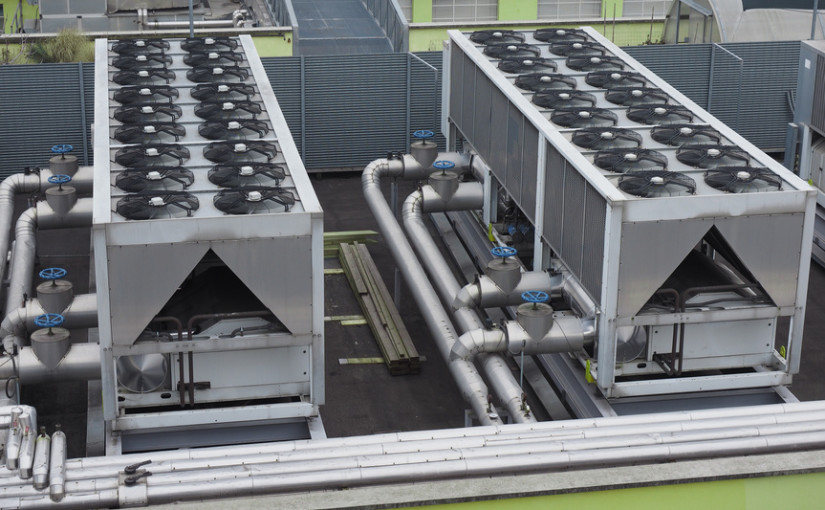
Maintaining a healthy and productive environment is essential for any business, whether it’s a restaurant, warehouse, manufacturing facility, or commercial building. A well-designed ventilation system plays a crucial role in keeping indoor spaces safe, comfortable, and compliant with industry standards. In today’s fast-paced business world, choosing the right airflow solutions isn’t just good practice; it’s a smart investment in long-term efficiency.
The Role of Commercial Exhaust Fans in Airflow Management
A reliable ventilation system often begins with commercial exhaust fans, which serve as the backbone of industrial and commercial airflow. These units are designed to pull out stale, contaminated air and replace it with clean, fresh air. From kitchens and warehouses to factories and automotive shops, these fans support a wide range of operations by controlling airflow and maintaining a balanced environment.
In demanding industrial environments, strong and consistent ventilation is not optional; it’s a requirement. These systems help improve comfort, protect equipment, and support compliance with local safety standards.
Key Benefits of a High-Quality Commercial Exhaust Fans
Different businesses have different ventilation needs, but the benefits of a properly sized and installed exhaust system remain consistent across all industries. Here’s what commercial property owners and facility managers can expect:
Improved Indoor Air Quality
One of the most important advantages is the ability to remove pollutants such as dust, fumes, grease, smoke, and chemicals. Creating a clean air cycle helps workers stay healthy and alert while reducing the likelihood of respiratory issues.
Better Temperature Control
Excess heat can quickly build up in enclosed spaces, especially around machinery or heavy equipment. A well-designed ventilation system helps stabilize indoor temperatures, resulting in more comfortable conditions and lower cooling costs.
Enhanced Energy Efficiency
Ventilation systems that are built for performance consume less energy over time. When airflow equipment is functioning properly, HVAC systems don’t need to work as hard, helping reduce operational costs.
Compliance With Safety Regulations
Businesses must meet building codes and safety standards to operate legally. Proper ventilation ensures compliance by removing airborne hazards and supporting fire suppression systems in case of emergency.
Choosing the Right Commercial Exhaust Fans for Your Business Needs
Selecting the right airflow solution is essential for performance and longevity. With so many options available, it’s important to consider a few key factors:
1. Building Size and Layout
Large warehouses and manufacturing plants require more powerful solutions compared to smaller commercial kitchens or retail spaces. Proper sizing ensures the system operates efficiently without consuming unnecessary energy.
2. Type of Air Contaminants
Some businesses deal with grease, smoke, chemicals, or dust. Identifying the type of contaminants helps determine the most effective fan style and filtration method.
3. Airflow Requirements
CFM (cubic feet per minute) ratings vary depending on how much air needs to be moved. Accurate calculations help guarantee consistent performance and prevent system overload.
4. Durability and Motor Strength
Industrial environments require rugged equipment capable of running for extended hours. Fans with sturdy frames, heavy-duty motors, and corrosion-resistant materials provide long-lasting performance.
5. Noise Control
Some commercial spaces, such as restaurants or offices, require quieter ventilation solutions. Selecting the right fan style can significantly reduce noise levels while maintaining airflow efficiency.
Different Types of Ventilation Fans Used in Commercial Settings
Businesses benefit from a range of ventilation options, each designed to support specific environments:
- Rooftop Upblast and Downblast Fans
Ideal for spaces needing powerful upward airflow, including kitchens or areas with heat and smoke. They help direct air away from the building to prevent damage to roofing materials.
- Tube Axial and Vane Axial Fans
Great for large industrial facilities, these fans deliver strong directional airflow through long ducts. They are perfect for manufacturing floors, mechanical rooms, or warehouse operations.
- Centrifugal Fans
These fans are designed for high-pressure applications and are commonly used in systems that need consistent, powerful air movement. Their durability and reliability make them a popular choice in commercial buildings.
- Wall-Mounted Units
Used when rooftop installation isn’t practical, wall-mounted fans work well for smaller or enclosed spaces that need direct ventilation.
Maintenance Matters: Why Routine Care Protects Your Investment
A ventilation system is only as good as its maintenance. Over time, dust, grease, and debris can build up, causing fans to work harder and wear down faster. Regular cleanings, inspections, and part replacements help ensure reliable operation and prevent unexpected breakdowns.
Routine maintenance also improves energy efficiency, extends equipment lifespan, and supports better indoor air quality for employees and customers alike.
A well-designed ventilation system supported by dependable commercial exhaust fansis essential for maintaining a safe, comfortable, and efficient work environment. Whether you’re upgrading existing equipment or designing a new commercial ventilation setup, choosing a trusted supplier helps ensure long-lasting performance and compliance with industry standards.
For high-quality airflow solutions tailored to your facility, Brooklyn Fan & Blower Sales Company, Inc. provides the expertise and product selection needed to support businesses across a wide range of industries. Visitto explore reliable options that keep your environment protected and performing at its best.