Exhaust Fan Placement Affects Pressure Distribution Across Zones

Commercial exhaust fans selection conversation begins with airflow volume. How many CFM does this space need? What size covers this area? These are valid questions, but they are not the first ones that should be asked. Before airflow volume, before fan size, before motor type, there is one question that shapes every decision that follows: what pressure condition does this building need to maintain, and what role does the exhaust system play in achieving it?

Pressure Strategy Determines What the Exhaust System Must Do

Building pressure is the condition created by the relationship between air leaving and air entering a space. It affects how contaminants move through a building, how the envelope performs energetically, and how consistently occupied zones maintain stable conditions.

Commercial exhaust fans determine how much air leaves and from where. The balance between exhaust volume and supply volume determines whether the building operates under negative pressure, positive pressure, or neutral. This is not a condition that resolves itself passively. It is the direct result of deliberate equipment decisions or the unintended result of their absence.

Different Commercial Environments Require Different Pressure Targets

There is no universally correct pressure target for commercial buildings. The right condition depends entirely on what the space does and what it needs to protect against.

Retail and office environments benefit from slight positive pressure, which prevents unconditioned outside air, dust, and pollutants from infiltrating through envelope gaps. Commercial kitchens require negative pressure relative to adjacent spaces so cooking odors, heat, and grease vapors stay contained within the kitchen zone rather than migrating into customer-facing areas. Clean manufacturing, healthcare, and pharmaceutical environments require tightly controlled positive pressure to prevent any outside contamination from reaching sensitive production zones.

Each of these pressure targets demands a different exhaust fan capacity relative to supply, and that relationship must be established before individual fan specifications are determined.

Exhaust Fan Placement Affects Pressure Distribution Across Zones

Total exhaust volume is one dimension of pressurization strategy. Placement is the other. Where commercial exhaust fans are located determines where negative pressure zones develop within the building.

Exhaust concentrated in one area of a large floor plate creates pressure gradients rather than uniform pressure throughout the space. In facilities where contamination control or thermal management requires consistent pressure across multiple zones, exhaust placement must be distributed in proportion to zone volume and airflow requirements rather than positioned purely for installation convenience.

When the pressurization strategy is established first, commercial exhaust fan capacity, placement, and specification all follow from a defined performance target rather than from general airflow guidelines that may or may not produce the building environment the facility actually needs.

At Brooklyn Fan & Blower Sales Company, we carry commercial exhaust fans across a full range of configurations and capacities. Contact us to discuss your building’s pressurization requirements and find the right exhaust solution for your specific application.

Frequently Asked Questions

Q1.Why is building pressurization important when selecting commercial exhaust fans?

Building pressurization affects how air moves throughout the facility, including how contaminants, odors, heat, and outside air behave within different zones. Commercial exhaust fan selection directly influences whether the building operates under positive, negative, or neutral pressure conditions.

Q2.How do commercial exhaust fans affect building pressure?

Commercial exhaust fans remove air from specific areas within the building. The relationship between exhaust airflow and supply airflow determines the overall pressure condition, influencing indoor air stability, contamination control, and airflow distribution across occupied spaces.

Q3.Why does exhaust fan placement matter in pressure-balanced buildings?

Exhaust fan placement affects where pressure differences develop throughout the building. Poorly distributed exhaust can create uneven pressure zones, while properly positioned commercial exhaust fans help maintain more consistent airflow and pressure conditions across multiple operational areas.
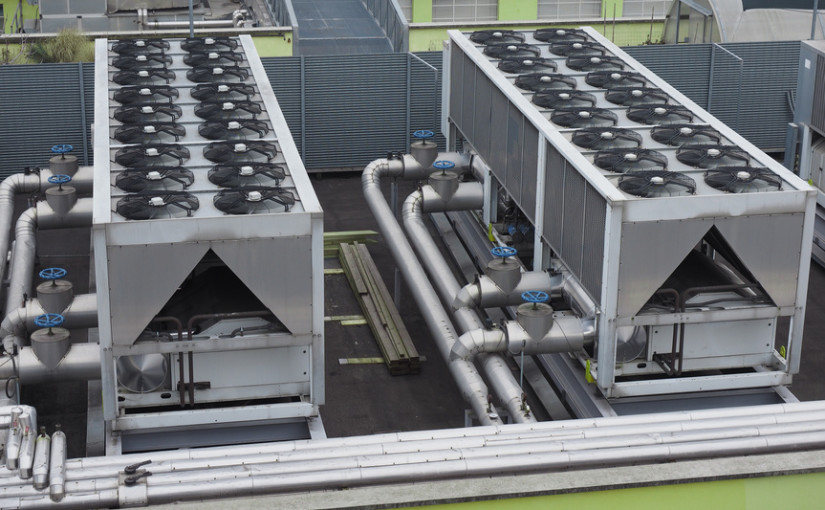
Enhancing Indoor Air Quality and Efficiency With the Right Commercial Exhaust Fans

Maintaining a healthy and productive environment is essential for any business, whether it’s a restaurant, warehouse, manufacturing facility, or commercial building. A well-designed ventilation system plays a crucial role in keeping indoor spaces safe, comfortable, and compliant with industry standards. In today’s fast-paced business world, choosing the right airflow solutions isn’t just good practice; it’s a smart investment in long-term efficiency.

The Role of Commercial Exhaust Fans in Airflow Management

A reliable ventilation system often begins with commercial exhaust fans, which serve as the backbone of industrial and commercial airflow. These units are designed to pull out stale, contaminated air and replace it with clean, fresh air. From kitchens and warehouses to factories and automotive shops, these fans support a wide range of operations by controlling airflow and maintaining a balanced environment.

In demanding industrial environments, strong and consistent ventilation is not optional; it’s a requirement. These systems help improve comfort, protect equipment, and support compliance with local safety standards.

Key Benefits of a High-Quality Commercial Exhaust Fans

Different businesses have different ventilation needs, but the benefits of a properly sized and installed exhaust system remain consistent across all industries. Here’s what commercial property owners and facility managers can expect:

Improved Indoor Air Quality

One of the most important advantages is the ability to remove pollutants such as dust, fumes, grease, smoke, and chemicals. Creating a clean air cycle helps workers stay healthy and alert while reducing the likelihood of respiratory issues.

Better Temperature Control

Excess heat can quickly build up in enclosed spaces, especially around machinery or heavy equipment. A well-designed ventilation system helps stabilize indoor temperatures, resulting in more comfortable conditions and lower cooling costs.

Enhanced Energy Efficiency

Ventilation systems that are built for performance consume less energy over time. When airflow equipment is functioning properly, HVAC systems don’t need to work as hard, helping reduce operational costs.

Compliance With Safety Regulations

Businesses must meet building codes and safety standards to operate legally. Proper ventilation ensures compliance by removing airborne hazards and supporting fire suppression systems in case of emergency.

Choosing the Right Commercial Exhaust Fans for Your Business Needs

Selecting the right airflow solution is essential for performance and longevity. With so many options available, it’s important to consider a few key factors:

1. Building Size and Layout

Large warehouses and manufacturing plants require more powerful solutions compared to smaller commercial kitchens or retail spaces. Proper sizing ensures the system operates efficiently without consuming unnecessary energy.

2. Type of Air Contaminants

Some businesses deal with grease, smoke, chemicals, or dust. Identifying the type of contaminants helps determine the most effective fan style and filtration method.

3. Airflow Requirements

CFM (cubic feet per minute) ratings vary depending on how much air needs to be moved. Accurate calculations help guarantee consistent performance and prevent system overload.

4. Durability and Motor Strength

Industrial environments require rugged equipment capable of running for extended hours. Fans with sturdy frames, heavy-duty motors, and corrosion-resistant materials provide long-lasting performance.

5. Noise Control

Some commercial spaces, such as restaurants or offices, require quieter ventilation solutions. Selecting the right fan style can significantly reduce noise levels while maintaining airflow efficiency.

Different Types of Ventilation Fans Used in Commercial Settings

Businesses benefit from a range of ventilation options, each designed to support specific environments:

  • Rooftop Upblast and Downblast Fans

Ideal for spaces needing powerful upward airflow, including kitchens or areas with heat and smoke. They help direct air away from the building to prevent damage to roofing materials.

  • Tube Axial and Vane Axial Fans

Great for large industrial facilities, these fans deliver strong directional airflow through long ducts. They are perfect for manufacturing floors, mechanical rooms, or warehouse operations.

  • Centrifugal Fans

These fans are designed for high-pressure applications and are commonly used in systems that need consistent, powerful air movement. Their durability and reliability make them a popular choice in commercial buildings.

  • Wall-Mounted Units

Used when rooftop installation isn’t practical, wall-mounted fans work well for smaller or enclosed spaces that need direct ventilation.

Maintenance Matters: Why Routine Care Protects Your Investment

A ventilation system is only as good as its maintenance. Over time, dust, grease, and debris can build up, causing fans to work harder and wear down faster. Regular cleanings, inspections, and part replacements help ensure reliable operation and prevent unexpected breakdowns.

Routine maintenance also improves energy efficiency, extends equipment lifespan, and supports better indoor air quality for employees and customers alike.

A well-designed ventilation system supported by dependable commercial exhaust fansis essential for maintaining a safe, comfortable, and efficient work environment. Whether you’re upgrading existing equipment or designing a new commercial ventilation setup, choosing a trusted supplier helps ensure long-lasting performance and compliance with industry standards.

For high-quality airflow solutions tailored to your facility, Brooklyn Fan & Blower Sales Company, Inc. provides the expertise and product selection needed to support businesses across a wide range of industries. Visitto explore reliable options that keep your environment protected and performing at its best.

Are Commercial Exhaust Fans the Key to a Safer and More Efficient Workspace?

Ensuring a clean, safe, and efficient workspace starts with proper ventilation, and one of the most effective solutions is commercial exhaust fans. These high-performance systems work to remove stale air, regulate humidity, and eliminate odors and airborne contaminants, creating a healthier environment for employees and customers alike. Whether supporting a restaurant, warehouse, or manufacturing facility, the right ventilation setup enhances air quality, boosts operational efficiency, and promotes overall workplace well-being.

Why Ventilation Matters in Commercial Spaces

Maintaining indoor air quality is crucial for worker performance, equipment longevity, and overall safety. Excess heat, moisture, and pollutants can accumulate in commercial spaces, leading to increased maintenance costs and potential regulatory violations. That’s where commercial exhaust fans play a vital role, efficiently removing contaminated air and replacing it with fresh circulation. This continuous exchange not only enhances comfort but also helps prevent mold growth, equipment damage, and airborne health risks, ensuring a cleaner and safer working environment.

Designing for Function and Efficiency

Modern air circulation systems are designed with advanced features that enhance both performance and energy efficiency. Whether mounted on the roof or integrated into walls, these solutions offer versatility to meet the unique needs of any business. Upgraded designs include quiet motors, variable speed controls, and corrosion-resistant finishes that help reduce noise while extending the lifespan of the system. This also translates to lower utility costs and improved operational reliability. Selecting the right model requires evaluating airflow demands, space dimensions, and the type of airborne contaminants present. Working with a trusted provider ensures proper sizing, configuration, and installation for maximum efficiency.

Reliable Performance in Demanding Conditions

Industrial-grade environments demand powerful and reliable ventilation systems designed to manage high-volume airflow and rigorous usage. Built for durability, these solutions withstand extreme conditions, whether clearing grease-filled air in a busy kitchen or ventilating hot fumes in a welding shop. Their consistent performance plays a key role in maintaining a safer workspace while preserving the longevity of essential equipment.

Stay Ahead with a Partner That Understands Your Needs

When considering ventilation upgrades, you want equipment that delivers on performance, longevity, and customization. That’s where Brooklyn Fan & Blower Sales Company, Inc. stands out. With decades of experience in the industry, we specialize in high-quality commercial and industrial exhaust solutions, including roof-mounted fans, centrifugal blowers, and axial fans. Our team is committed to helping you select and implement the right systems that meet your business’s specific ventilation needs.

Elevate your airflow with precision and performance—partner with Brooklyn Fan & Blower Sales Company, Inc. for ventilation solutions that work as hard as you do.