Axial vs. Centrifugal Fans: The Differences That Make Them Each Suited for Specific Applications

Commercial exhaust fans. Air handler fans. Ventilation fans.

There are more industrial applications for fans than most people can even imagine. Where do you even start in order to learn the differences between types of fans?

That’s easy. We’ve got you covered.

There are two main types of industrial fans. Differentiating between the two is easy once you understand how each type of fan works and what its benefits and limitations are.

This guide will help you answer the question of “Centrifugal fan vs axial fan?” Read on find out the big differences between the two most popular types of industrial fans.

Axial Fans

The first and oldest option for an industrial fan is an axial fan. Here’s all you need to know about it.

History of Axial Fans

Axial fans have been around forever. They’re the oldest design of a fan. These devices date back to the windmills designed by Persians in A.D. 500.

Engineers introduced the electrically powered fans to the public in the 1880s. These electric fans had the same design as the Persian windmills — an axial fan.

How an Axial Fan Works

An axial fan is called “axial” because it has blades that rotate around a fixed axis. The fan is named for the direction of the airflow that it creates as it moves air.

The blades that rotate around the axis pull air in parallel to the axis and force it out in the opposite direction — still parallel to the axis.

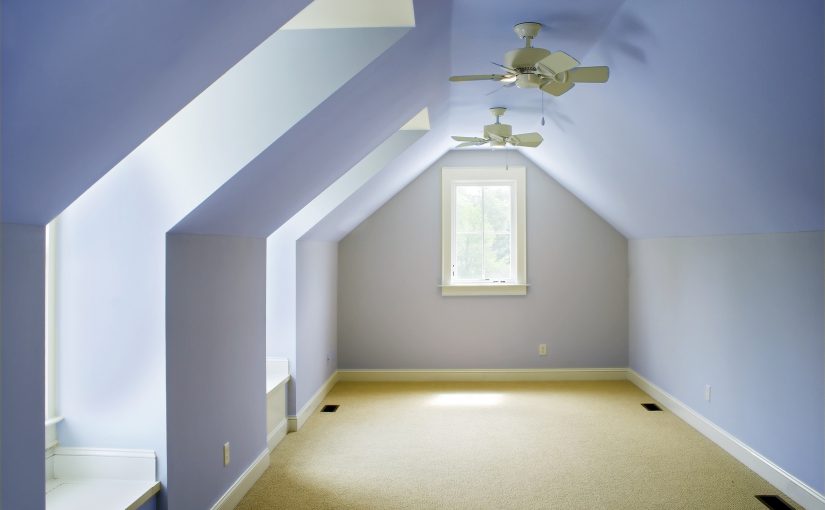
Imagine a ceiling fan. There’s one fixed point in the ceiling that the fan blades rotate around. The fan draws air down from the ceiling, parallel to the axis, and forced straight down to the floor.

The airflow remains parallel to the axis of the fan for the entirety of the flow.

Axial fans don’t require a lot of power input in order to run. They move air at a high flow rate, meaning that they can move a lot of air. However, the airflow is low pressure.

Best Uses of Axial Fans

Axial fans have a lot of uses, with most of them falling under the general purpose category. Consider one anytime you need to move a large volume of air from one place to another.

Low-pressure, high-volume flow is great for cooling spaces, such as a home or office building. It’s also great for cooling equipment, like the computer you’re using right now.

An axial fan is used in condenser cooling for a refrigeration system. It can also make a great exhaust fan.

As more technology is incorporated into everyday products, axial fans become more and more common. They are now used in vending machines to cool the computers that allow for cashless payment options.

For non-ducted applications, this model is likely the solution you need for airflow. Axial fans move a lot of air from place to place when working against little pressure.

Centrifugal Fans

The alternative option for an industrial fan is a centrifugal fan. Check out some quick facts on centrifugal fans to see if it’s right for you.

History of Centrifugal Fans

The centrifugal fan was invented in 1556 to ventilate mines. It disappeared from history after that. The design made a resurgence in the early 1800s.

How a Centrifugal Fan Works

Centrifugal fans are sometimes called blowers because they create a high-pressure stream of air.

A centrifugal can contains blades mounted around a circular hub. The motion of the hub pulls air in and around the hub, increasing the air pressure as it goes.

These devices move air radially. The end result is that the air coming in is “bent” at a 90-degree angle before it is pushed out the other side of the fan.

Although they function similarly, centrifugal cans are not the same as air blowers. The latter creates higher pressure ratios than a centrifugal fan can achieve.

This type of fan is typically attached to a system of ducts or tubes. This increases pressure, creating high-pressure airflow.

Centrifugal fans usually have lower flow rates, move lesser volumes of air, and have steadier flow than axial fans. They also require a high power input to operate.

Best Uses of Centrifugal Fans

Anytime you need to move air through ductwork, you will want to consider a centrifugal fan.

When ductwork is involved, the ducts increase pressure due to increased airflow resistance. To overcome this higher pressure, you need a fan that can produce high-pressure flow. You need a centrifugal fan.

This makes centrifugal fans ideal for air conditioning or drying systems. They are also great for caustic or corrosive environments. They’re extremely durable fans that work great for pollution filtration systems.

With enclosed parts and particulate reduction capabilities, these devices are difficult to damage and extremely durable.

Centrifugal Fan vs Axial Fan

Here are some of the key points you need to remember when choosing between the two types of industrial fans.

All things being equal, an axial fan:

  • Has a higher dynamic pressure
  • Has a higher operating speed
  • Has a higher peripheral speed
  • Requires less power for operation
  • Moves a larger volume of air
  • Is typically smaller, lighter and less expensive
  • Creates low-pressure airflow

All things being equal, a centrifugal fan:

  • Is more energy efficient
  • Is more durable and resistant to harsh environments
  • Is less likely to overload due to non-overloading horsepower curves
  • Creates high-pressure airflow
  • Moves a smaller volume of air
  • Requires more power for operation
  • Works better with ductwork
  • Can be equipped with self-cleaning characteristics

Make an Informed Decision

So how do you choose centrifugal fan vs axial fan? It all comes down to the application. Depending on what you need it to do, where it needs to work, and how much air it needs to move, you can pretty easily figure out which type of industrial fan is the most appropriate choice for you.

If you still need help deciding between fan types, contact us today and let one of our experts help you out!

Your Guide to Cooling a Warehouse: 5 Practical Tips for Industrial Ventilation

While air quality isn’t something that’s often considered by workers, it’s one of the most powerful ways that workers suffer lasting health impacts. Breathing just a little bit of pollution day after day causes health issues that last for decades. On top of that, industrial ventilation ensures that your workers are comfortable and cool during the summer.

Here are five things to remember when you’re trying to keep your workers and the environment well ventilated.

1. Have An Expert Assess Things

When you’re trying to put together an HVAC system to handle your industrial ventilation needs, you should ask an expert. While you might be able to make a general assessment on your own, there are tools and tricks that professionals in the HVAC world know that you may not.

Make sure your warehouse can be separated into different zones if you have different temperature needs. This way you’ll ensure that you don’t have multiple blowers running nonstop at potentially conflicting temperatures.

An HVAC pro can take a quick assessment and tell you what your needs are for heating and cooling. If you have areas that stay unoccupied or is filled with automated systems, then they can set up heating cooling that makes sense. An expert will know how to make things optimal for equipment operation, product storage, or to keep your staff comfortable and productive all day long.

Setting up a series of temperature zones gives you more control and sets you up to have a more optimized temperature environment.

2. Have Smart Thermostats

As more elements of our daily lives are automated and controlled wirelessly, our heating and cooling needs are no exception. Having regulated warehouse temperature based on occupancy and activity is a great way to manage your heating and cooling needs. As you add more cubic space in your warehouse, your needs are going to expand.

If you don’t have to worry about the comfort of workers for 16 hours a day, you shouldn’t be heating and cooling for them during those hours. If you have programmable thermostats, you can automatically turn things off when no one is around. With interfaces built for smartphones and desktop devices, you can manage your temperature with the few taps or clicks.

You can set for complex needs, overtime work, or weekend adjustments as your workload changes. If you have products or materials with specialized temperature needs, you can change things temporarily until those items are moved or shipped to a new location.

3. Occupancy Sensors Save Cash

As mentioned above, occupancy plays a big role when you’re worried about the temperature of your warehouse or space. Occupancy sensors solve a lot of the common issues that companies face when trying to heat and cool their space. Turning off the lights or the HVAC system as people leave the space could end up saving a lot of money over time.

Fluorescent or LED lighting is ideal for these kinds of sensors. Since you’ll need a fast response and quick start-up to keep from delaying the work that your staffers want to do, avoid metal halides.

Sensors like this should be connected with temperature control since most light emits heat.

You’ll save potentially thousands a year when you’re able to keep the lights off as you don’t need them. Turning off lights that you don’t need ensures that you’ll be able to lower your carbon footprint as well.

LED lighting can be harsh, so make sure you get multiple lighting to mix frequencies. LED is typically one frequency and long exposure to those lights causes some people to have headaches. Try a few schemes out to see hat your staff prefers before you commit to one.

4. Use Earth Science To Your Benefit

As most people learned in school, heat rises. That means your hot air is going to go to the ceiling as soon as it leaves the ground floor. If you have hot air in your warehouse, then you should push it back down during cooler months and suck it out during warmer months.

When it comes to temperature control, hot air near your thermostat is going to change how your HVAC system responds. If you put your thermostat next to your hottest piece of equipment, it’s going to impact your temperature. You’ll always be a little off if you place it in the wrong spot.

Ceiling and exhaust fans can help you manage and disperse your air evenly. Recirculating air helps to smooth and even out the temperature of your warehouse. If you’re able to keep the air moving around, you’ll be able to save money because your temperature will reflect the actual feeling in the space.

5. Rooftop Units Need To Be Checked

While most warehouses put their HVAC units on their rooftops, there are a whole host of problems that come with that. The place where your HVAC system is going to be under the most amount of stress.

If your unit is out there on a hot summer day, made out of metal, and painted a dark color, it’s going to be under stress. On top of that, if there is a dusty factory nearby or a storm that blows debris into it, your HVAC unit is going to work to kick that dust out.

All year round, your rooftop units are going to struggle to stay clear of debris and running smoothly. Make sure you have it inspected by a professional regularly to keep the ventilation ducts clear and your staff happy.

Industrial Ventilation Improves Productivity

When you have goo industrial ventilation, you’re able to keep your workers happy and healthy. You also keep products and materials free of problems that come with pollution and impurities.

If you have a kitchen or food production facility, check out our guide for ventilating that specific space.

How to Clean and Maintain Your Kitchen Exhaust Fans

Kitchen exhaust fans have one of the most important jobs in your commercial kitchen. These mechanical fans keep your kitchen air clean, reducing greasy buildup around the area and maintaining employee comfort.

Keeping exhaust fans in top shape is essential to a well-maintained kitchen area. Because they’re working to remove and filter air, these fans require regular cleaning and maintenance.

This equipment works hard in the background and is easily forgotten. Regular maintenance is a must, however. To learn more about keeping up exhaust fans for kitchens the right way, read on.

What Are Kitchen Exhaust Fans?

Kitchen exhaust fans, also known as range hoods, have the heavy duty job of removing impurities and moisture from the air in a commercial kitchen. These fans are situated directly above stove tops and cooking surfaces. They consist of a hood (also called a canopy) and a fan.

The hood serves to capture dirty, moist air. Meanwhile, the fan inside extracts this air and moves it away from the kitchen and outside. In a kitchen setting where cooking is constant, this action removes:

  • Steam from boiling water and simmering foods
  • Strong cooking odors
  • Smoke
  • Grease particles
  • Harmful vapors and pollutants
  • Excess heat, which is especially helpful in warmer months

Removing air pollutants, steam and heat makes it easier to cook in the kitchen. Adequate ventilation in a busy commercial kitchen is made possible by hard-working fans. A comfortable cooking environment is necessary for optimal productivity.

Grease

Removing grease particles and humidity from the air is critical to maintaining a clean environment and properly functioning equipment. Thick, sticky grease buildup is difficult to clean when it settles on and clings to other pieces of equipment. It can block airflow in other appliances and make the kitchen look unsanitary.

In addition to being dirty and unsightly, grease buildup increases the chances of a grease fire in the kitchen. Its removal could prevent a serious health hazard.

Humidity

Excessive moisture can also be very damaging in a commercial environment. Without exhaust fans, humidity would condense and collect on walls, furniture, and equipment. In time, this can lead to noticeable water damage in vulnerable areas.

Well-maintained commercial exhaust fans prevent grease and moisture from becoming issues. They do far more than just remove odor. They prevent costly damage.

Heat

Working in a kitchen can be miserable when the thermostat keeps climbing. Kitchen fan venting pulls extra heat away from the cooking area so that employees can stay cool. This can also help keep air conditioning costs down as it prevents heat from collecting.

Maintaining Kitchen Exhaust Fans

To properly vent and filter the air, kitchen exhaust fans must be maintained on a regular basis. Their efficiency and lifespan depend on it.

Since commercial fan setups are heftier than home units, you’ll need to follow a few extra steps when tackling this job.

Unplug the Exhaust Fan Unit

Commercial appliances must be unplugged before maintenance to avoid injury or death by electrocution. These are big units and will require a lot of cleaning solution.

It’s also a good idea to use a tarp or painter’s drop cloth around the area while you’re cleaning to catch drips. No cooking should be done while unit maintenance is in progress.

Remove Grease Containment Traps

Most commercial kitchen exhaust fans have grease collecting receptacles on the side of the hood. This grease can be put into sealed metal containers for proper disposal at a later time.

Soak the grease traps in a mixture of very hot water and grease-cutting cleaner. This will soften the sticky residue so it can be removed.

Remove the Filters

Kitchen exhaust fans have filters for catching grease, dust, and other particulates. Like the grease traps, these kitchen exhaust fan filters quickly become coated with thick greasy residue and can lose their effectiveness when not cleaned regularly.

When cleaning your traps, remove these filters. They should be soaked in the same hot water solution as the traps so the grease can be loosened. After soaking, they can be scrubbed with a nylon brush to remove remaining residue.

Under the Hood: Cleaning the Hood and Fan

The kitchen exhaust fan cover, or hood, will need thorough cleaning just like the rest of the unit. While your traps and filters are soaking, make a similar cleaning solution for your hood. These solutions should always consist of an approved grease-cutting cleaner and hot water.

Both the interior and the exterior of the kitchen exhaust hood need to be scrubbed with a soft cloth soaked in the cleaning solution. All surfaces and corners should be addressed to avoid gunk and grease collection that can lead to fire hazards.

Cleaning the Fan Blades

The fan blades of your kitchen exhaust unit will need to be carefully cleaned as well. All of the dirty air that is removed from your cooking area passes over these blades. The filters do a good job catching the bulk of the particles, but they can’t filter everything.

When cleaning the fan blades and the hood of your kitchen exhaust fans, never spray cleaning solution directly into the unit. You should avoid directly wetting any of the electrical components during the maintenance process. To avoid unintentional wetness in the unit, always use a cloth that has been dipped in the solution to scrub instead of directly spraying cleaner into dirty areas.

When all of the components of your unit are clean and dry, reassembly is in order. You’ll need to reinsert filters and traps before plugging the unit back in.

Regular Maintenance for Top Performance

Exhaust fans work hard to remove the junk from the air in your commercial kitchen. Maintaining a regular cleaning schedule for your kitchen exhaust fans will ensure that your kitchen stays cleaner, safer, and more comfortable.

Are you in the market for high performance exhaust fans and kitchen ventilation equipment? As the number one distributor of commercial exhaust fans, we’ve got you covered. You can check out our blog for more information or give us a call today.

Your Guide to Bathroom Ventilation and Why You Need It

How much time do you spend in your bathroom a day? It’s an area of the house that might not be the most glamorous, but it’s still important.

That’s why, on average, we spend between $5000 and $21,000 on bathroom renovations. Keeping our bathrooms as fresh as we keep ourselves can help keep these costs down.

Keeping your bathroom fresh isn’t always as easy as opening a window, however. You’ve got to consider everything from air humidity to water damage.

That’s why having the right bathroom ventilation is so important. Here’s our guide to ventilation for your bathroom to help you realize just why you need it.

The Purpose of Bathroom Ventilation

Before you purchase a bathroom vent fan, you should understand the purposes behind buying and installing one.

The main reason people install a bathroom vent is to tackle moisture and odors. Bathrooms, especially if you have a shower or bath, are the perfect ground for moisture to build up in the air.

If there’s not enough air circulation, the humidity of your bathroom will stay high, as will the heat, creating a haven for mold and other toxins.

That’ll also cause your bathroom to start to smell as the damage to your fixtures and fittings spreads. 

That’s why you need a bathroom ventilation fan. Circulating the air can cool it down, remove moisture, and limit the damage.

Types of Ventilation Available

There are several types of ventilation available for your bathroom.

The most common type of ventilation fans available are those that are mounted on the ceiling. Remembering your basic physics, hot air will rise, making a ceiling fan the best option to help remove damp and warm air after a hot shower or bath.

You can also have fans that mounted into the walls. These will suck the warm air outside, much as a ceiling fan would. You can also have inline fans which can be ceiling or wall mounted.

The size of the bathroom vent fan you need will vary, depending on the room size. You can help choose the right sized ventilation fan from this sizing guide.

Benefits of Bathroom Vents

We’ve briefly touched upon the benefits of installing a bathroom vent, but it’s important to understand that it’s not just about air circulation.

Vents in your bathroom can help you save money. You’re not going to be spending as much on bathroom renovations if your bathroom stays in better condition over a longer period.

Removing moist air can keep your fittings, fixtures, walls, and decor in better shape. 

You also won’t have to worry so much about your health. With no mold spores in the air, you won’t have to worry about the quality of the air you’re breathing in, thanks to the ventilation you install.

And yes – your friends and family will thank you for it. You won’t have to worry about any kind of lingering odors in your bathroom, due to mold or anything else, because your vent fan will remove them for you.

Other Considerations

Before you purchase a fan, there are several other things to consider, such as installation costs, noise and fan quality.

Depending on the contractor you choose, the installation of a bathroom fan could cost you several hundred dollars in parts and labor. You can reduce some of the costs by completing some of the labor yourself.

Here’s our helpful guide on how to install a wall exhaust fan yourself.

You need to be aware of the fan capacity. The fan you purchase will have a performance measurement of air removal by cubic feet per minute (or CFM).

The greater this number, the more air that can be removed, although you don’t want to overdo it.

As we’ve mentioned previously, you need an appropriately sized fan for the size of your room. According to the Home Ventilating Institute, a good figure to work with is one CFM per square foot of the area of your bathroom.

You should also consider the fan’s sound rating to determine whether it would be suitable for use in your own bathroom.

Do You Need Vents for Your Bathroom?

Is ventilation for your bathroom really necessary?

That’s your decision to make, but we believe so. Ultimately, the purpose behind purchasing a bathroom vent is for better air circulation and better air quality.

Your bathroom is the ideal area for hot, warm and wet air to collect. 

You might think you can get away without one if you have a window, but a window doesn’t have a fan, so you aren’t getting the best circulation you need to replace the air.

And if you don’t have a window in your bathroom?

Then you definitely need a vent. Mold, once it’s in place, is hard to shift. It can build up in areas all over your bathroom, inside your walls, and cause you to be seriously ill.

Why put your health at risk? 

Don’t Neglect Ventilation in Your Bathroom

Without adequate ventilation, you’re causing damage – to your health, to your bathroom, and to your wallet.

Ventilation can help remove harmful bacteria that might be lingering in the air. It can also limit the damage that high humidity can bring, such as mold.

You also won’t have to worry as much about bathroom decor and maintenance.

Do you have questions about bathroom ventilation that need answering?

Don’t be afraid to get in touch so we can help you find the right ventilation system for your bathroom.

How to Choose the Best Commercial Exhaust Fan for Your Needs

Try holding your breath for any amount of time. You’ll start feeling like your lungs are going to burst after thirty seconds.

A room needs to breathe like our bodies. Whether it’s a restaurant, a manufacturing area, or an office, they’ll all need adequate ventilation. Bad air has to get out to let fresh air in.

Otherwise, the room will suffer just like your lungs did. You can’t ignore unwanted odors, but they are probably the least of your problems. Moisture levels will increase and that will lead to molds, mildew, and other nasty stuff.

Choosing the best exhaust fan for your needs guarantees that your facility can breathe easy. How do you know if you’re buying the correct one? Here’s what our experts say.

Consider the Airflow Demand of the Room

Calculating the desired volume of air that goes through your ventilation system will determine how much power your fan will need to deliver. This is the airflow rate and it’s expressed as cubic feet per minute (CFM). All exhaust fans will have a cfm rating.

The rate of airflow required depends on several factors. You can consult your local building and safety codes for ventilation regulations.

Occupancy and Area

For commercial buildings, cfm rates vary by type of occupancy. You can have a rate per unit area and a rate per person taking up space.

These are numbers from ASHRAE (American Society of Heating, Refrigerating, and Air-conditioning Engineers Inc) Standard 62.1-2010 commercial building code provisions for indoor air quality: a classroom (with children age 5 and up) will need 10 cfm per person and an additional 0.12 cfm per square-foot.

An office requires 5 cfm per person and an extra 0.06 cfm for every square-foot. ASHRAE also provided a default value of 17 cfm per person in the office. They used the default occupant density of 5 persons in a 1000 square-feet area to come up with that value.

Air Change

Some spaces have a variable number of occupants at any given time. Assembly halls, gymnasiums, and theaters are some examples. The air change method of calculating the cfm is more useful in these situations.

For the air change method, you need the following data. First is the total cubic feet of airspace. You can calculate this by multiplying the dimensions (length, width, and height) of the room.

The second number is the minutes per change (min/chg). This is the amount of time in minutes that one cycle of air goes through the room and ventilation system.

To get the cfm, you divide the total airspace by the minutes per change. For example, a theater has a suggested min/chg of 2 to 10.

You’d want the lower number of min/chg if you want the air to change quickly. For spaces with low ceilings, in hot climates, or with heavy occupancy relative to the size, use the lower number.

You can use the higher range for comfort cooling.

Heat Removal

If the temperature inside a structure is higher than the outside air temperature, your ventilation system can provide some degree of cooling. To illustrate this principle but on a smaller scale, look at your desktop pc. The pc chassis has fans installed with intake and exhaust for optimal airflow and cooling.

To calculate the cfm using the heat removal method, you’re gonna need some numbers. First is the amount of heat to remove in BTU (British thermal unit) per hour. Next are the average outdoor temperature and the desired indoor temperature.

The formula is CFM = BTU/(Delta T x 1.08) where Delta T is the difference between the outdoor and indoor temperature.

Determine the Static Pressure

All flowing systems encounter resistance. For example, the flow of blood through your body is hindered by an increase in blood pressure. For airflow systems, this is the static pressure or system air resistance.

Figuring out the static pressure is important because your exhaust fan has to overcome this resistance for sufficient airflow. The traditional measurement for static pressure is in inches of water.

There are a lot of factors that contribute to an increase in static pressure. You have to add them all up to calculate the total external static pressure.

One of the biggest contributors to static pressure is the length of the ducts and how many twists and turns they have. Other factors are friction loss from filters, supply grille, and air washer.

Where Will the Fan Be Installed?

There are three places where commercial exhaust fans are commonly installed. These are the rooftop, the wall, or in the duct. Some laws require you to install the exhaust fan at a specific location. If you’re working with chemicals or flammable substances, a roof exhaust fan may be the best option.

Where the fan will get mounted will also decide the fan housing and accessories, such as wall caps, vents, and shutters.

Acceptable Noise Level

The spinning blades of a fan will always generate sound. The noise level is the sone rating. You should check out the sone levels of the exhaust fan model before purchase.

The sone levels correlate with the cfm of the fan. You should, therefore, pick a balance between how powerful the fan is and how much noise you can tolerate.

For conference rooms, where you need to hear people talking, the suggested sone levels are between 1.7 to 5. For factories operating heavy machinery, sone levels can be as high as 25 to 60.

The Best Exhaust Fan Must Be Energy Efficient

You need ventilation fans to meet the guidelines set by the US Environmental Protection Agency. To earn an energy star rating, the exhaust fan must pass minimum efficacy levels, performance, and allowable noise.

An energy efficient fan will save you money from utility bills. Also, you should feel good that you’re reducing your carbon footprint by choosing an energy efficient product.

Taking It All In

You have to research and be diligent to choose the best exhaust fan for your needs. While all this data may be intimidating at first, we hope that understanding what they mean will help you make the correct purchase.

While we haven’t tackled the different types of commercial exhaust fans, you can read more about them here. For more information about exhaust fans in general, please visit our blog.

Top Benefits of a Centrifugal Fan

When you’re trying to improve ventilation in your commercial space, sometimes it can be difficult to know where to start.

You’ll need to think about your air pressure, the quality of the air in your space, and even where you’d like for the air to go.

You’ve read about the benefits of a centrifugal fan, and you’re ready to learn more about what they can do.

In this post, we’ll tell you everything that you need to know about centrifugal blower fans.

From how they work to what makes them the best choice for your commercial space, read on to get your questions answered.

What Is a Centrifugal Fan?

Before we get into the benefits of having a centrifugal fan, let’s first make sure you’re clear on what it is.

Also known as centrifugal blowers, these fans help to move air and gases in industrial and even larger commercial spaces.

It’s made of up a fan blade, a motor, and an enclosure surrounding it — though the motor size and the fan blade shape can vary according to the specifics of the design.

You’re also able to select the direction in which the blades of the fan rotate.

Essentially, these blower fans work by creating low pressure in the blade’s center, which vacuums the air into the fan. The edges of the blade are areas of high pressure, and they also work to push out kinetic energy.

That air is then pushed outside of the fan’s enclosure.

Their strength and power make them especially helpful in air pollution control, ventilation in an area where a pressure drop is present, and chemical processing units, among other things.

These expert air blower options also help with dust collection, keeping air clean thanks to their drawing power.

They’re also used in agricultural settings to help with controlling the overall temperature of the air. They can quickly dry farming chemicals, grains, and much more.

Many businesses rely on centrifugal fans because they can work with a wide variety of different materials. They can stand up to sawdust, wood chips, scraps of metal, and even alloys.

Finally, the ability to customize these fans to the specific needs of your space also makes them a popular option.

Now, let’s take a closer look at the benefits of these blower fans.

They’re Low Maintenance

One of the best things about a centrifugal air blower is how low maintenance it is.

Especially if you already have to spend thousands of dollars per year having your larger pieces of equipment inspected and maintained, you want to save on operating costs where you can.

So, while period cleaning is important, as too much dirt and dust accumulating on the blades can lead to overheating and early motor failure?

You’ll find you don’t have to clean them as often as you might think. You can even use a small vacuum to clean the motor surface and ventilation openings.

In some cases, you may even be able to find blower fans that have self-cleaning features. This will make your job all the easier.

They’re Energy Efficient

Just like your cleaning and maintenance bills, we know that you’re also looking for ways to keep your energy bills under control.

A centrifugal fan can certainly help with that.

This is all thanks to their constant airflow, which keeps energy efficiency levels high.

They Can Handle Different Airflows

Whether you need a fan for a commercial building or an industrial factory, one thing is clear: they need to be able to handle different airflows and pressure.

Centrifugal fans can stand up to almost any challenge you put in front of them. They can process clean air, dirty air, and even wet air.

They’re Durable

When you make an investment in any kind of equipment for your business, you want to be certain that it can stand the test of time.

Centrifugal fans certainly can, thanks to their high levels of durability.

Even if you need to put the fans in an environment where they’ll need to deal with corrosive elements, they’ll still be able to work well.

They Can Prevent Overloading

The last thing you want to have to deal with is a fan whose motor frequently shuts off without warning.

Not only is an overloaded fan potentially dangerous, but it can also seriously slow down your workflow and shorten the fan’s overall lifespan.

Luckily, you can shop for a centrifugal fan that comes with horsepower curves. This will prevent the motor from overloading and shutting down if conditions suddenly change or if it reaches maximum capacity.

They’re Customizable

Last but not least, the popularity of centrifugal fans is due in no small part to the ability you have to customize it.

These fans come in lots of different sizes so that they can help in all sorts of spaces within your building.

Ready to Invest in a Centrifugal Fan?

We hope that this post has helped you to better understand not only what a centrifugal fan is, but also why getting one for your business is a smart idea.

Remember that, depending on the specific needs of your space and your airflow, you can easily customize a fan so that it’s the perfect fit.

Of course, in order to get all of the benefits mentioned in this post, you’ll need to ensure you’re getting the highest quality of fans possible.

That’s where we want to help you.

We invite you to browse through the inventory on our site to find the right fan for your needs. Keep checking back with our blog for more invaluable advice on how to keep the air circulation going strong in your space.

The Benefits of Attic Fans and How They Work

Heat rises and, when you couple that fact with direct sunlight and poor ventilation, it’s no surprise that your attic can be an incredibly hot space.

Having a hot attic may seem ordinary and subsequently like no cause for alarm. But, all that excess heat and moisture could be increasing your air conditioning costs and could even be causing damage to your roof.

Fortunately, overheated attics have a simple fix–attic fans.

Having an attic fan installed in your home could be the solution to several issues that come from a poorly ventilated attic.

If you’re considering having an attic fan installed, but aren’t sure whether it would be right for you and your home, we can help.

Here is everything you need to know about how an attic fan works and how having one installed can benefit you and your home.

How Attic Fans Work

As we said before, heat rises, and when it does it carries humidity that comes from everyday activities like cooking and showering.

On top of that, sunlight hitting your roof can cause the already warm interior of your attic to become even hotter. This extra heat can make the living areas of your home warmer.

If you have a poorly ventilated attic, this warm and moist air becomes trapped.

This humid air can cause damage to any items you have stored in that space, air conditioning units you have installed, or even to the roof itself.

Moist air can bring about mold and mildew and can lead to ice damming on your roof in the winter.

An attic fan works by pulling this hot and humid air up and out of your attic.

Once the warm air is out, intake vents pull cool and dry air from your living space into the attic. This action cools the area down and gets rid of any excess humidity.

The Benefits of an Attic Fan

Installing an attic fan improve ventilation in your home, which creates all sorts of benefits. It can help cut down on moisture in your attic and even lower the temperature throughout your entire home.

Here are a few of the perks you can expect when you add an attic fan to your house.

Keep Your Attic Moisture Free

Excess moisture is never a good thing when it comes to your home. And, it can be especially damaging and even dangerous in your attic.

Moisture in your attic can lead to several minor issues. These small issues can and will become costly, big issues if you don’t take the necessary steps to deal with and prevent them.

Humid air can lead to mold and mildew–something that can be particularly disastrous in an attic.

Mold can lead to allergic reactions and even severe respiratory issues if left untreated. And, because most people don’t spend an awful lot of time in their attics, these infestations can go unnoticed for months.

Depending on where the mold grows, once you find it, it can be costly and time-consuming to clean up.

Additionally, excess moisture in your attic can lead to severe structural damage. And, any sort of damage to the structure of your home can also be expensive and difficult to repair.

Extend the Life of Your Roof

The roof is the most vital feature of any house.

It is also the part of your house that takes the brunt of whatever mother nature decides to throw at you. Because of this, you must do whatever you can to protect your roof.

The heat and moisture that can accumulate in your attic can be damaging to the very structure of your roof. And, over time, this damage can lead to roof failure and costly repairs and even replacements.

By eliminating the extra moisture through the use of an attic fan, you can prolong the life of your roof.

The health of your roof is essential to the well-being of your home. So, protecting it from moisture by installing an attic fan seems like a no-brainer.

Lower Room Temperatures

Your attic may seem separate from the areas where you and your family live. But, as the hottest room in your house, it could be raising the temperature throughout your entire home.

A fact that is especially true in the warmer months.

Because your attic tends to trap heat from the outside as well as the lower floors of your home, the weather outside can affect how hot your attic gets.

If the outdoor temperature rises above 80 degrees, the temperature in your attic could wind up reaching temperatures as high as 150 degrees.

If you have an attic fan, you can reduce the temperature which will, in turn, cool down the rest of your home.

The best part of this is that there is no need to run your fan all day to reap these benefits.

If you run your attic fan only during the hottest part of the afternoon, you can lower the heat in your attic by as much as 50 degrees. And, in doing this, you can reduce the temperature throughout the rest of your house by 10 degrees.

Reduce Your Power Costs

During the warmer months, our air conditioners become a necessity. Unfortunately, running them can wreak havoc on your power bill.

You can likely attribute a lot of the excess heat on the lower floors of your home to poor ventilation in your attic. And, trying to compensate for this extra heat with your AC can lead to you wasting a lot of electricity.

Installing an attic fan can lower the overall temperature of your home. If your home is naturally colder, you won’t have to rely as heavily upon your air conditioner, which could reduce your power bill.

Improving ventilation in your attic will allow air to flow more freely through your home. This improved circulation can lower the temperature, giving your AC a much-needed break.

Installing an Attic Fan

Your home can benefit from the addition of an attic fan all year long.

It can help you stay more comfortable in the Summer to preventing dangerous ice buildup in the winter. An attic fan can even help cut down on your electric bill.

And those are just a few of the perks that come with improving the ventilation in your attic.

If you’re ready to install an attic fan in your home, we can help. Contact us today to get started.

6 Things to Consider When Choosing a Commercial Kitchen Exhaust Fan

“Smoke Gets In Your Eyes” is a lovely song by The Platters, but is not the ideal theme song for your patrons. Getting the steam, smoke and smells out of your restaurant kitchen is a priority, but how? A commercial kitchen exhaust fan is a different beast than a small home model.

In addition to considering airflow and safety systems, you need to think about several things in your workspace. Let our experts guide you before you invest in this vital piece of kitchen equipment. Read on to learn 6 things you should consider before making your big decision.

Which Commercial Kitchen Exhaust Fan Is Right for My Space?

A commercial kitchen exhaust fan is essential to operating your restaurant, bakery or catering kitchen. Most municipalities legally require them. All fans do the same basic thing, move air from inside your building to outside. However, your kitchen exhaust fan must move hot, dirty, greasy air through your hood system and vent it outside.

Consider these five things when choosing your commercial exhaust fan: placement, air flow rate, static pressure, energy efficiency and type of drive. Balancing your needs with cost is always a question, but your ventilation professional can help you with answers.

Where Do You Want the Fan to Be?

Where you place the fan is one of your first considerations. Most models of commercial fans are designed for one of three placements: inline (in the duct), on the wall, or on the roof. Where the fan is placed affects the housing, accessories and often the cost associated with installation.

Fan placement is often dictated by the space available or fire codes. Often, you must vent cooking odors away from occupied space. This can add costs if you must draw air upward several stories.

Fan placement also dictates other considerations like appearance, noise, and size.

How Much Air Do You Need to Move?

Simply put, the air volume flow rate is the measurement of air movement through your duct. It is expressed in cubic feet per minute (CFM). The type of cooking equipment you use and the amount of cooking you do changes your needs. For example, a large open flame grill used for meat roasting requires more ventilation than a pancake griddle. A high volume french fry line needs more air exchange than a convection oven.

The hood system you purchase will dictate the CFM needed. The National Fire Protection Association (NFPA) sets the standard for air removal volume. Most municipal codes meet or exceed these guidelines. Again, your ventilation professional can guide you.

In general, the minimum velocity (speed) through the duct is 500 feet per minute and the volume must be sufficient to capture and remove grease-laden cooking vapors. A lower volume is permissible during no-load conditions as long as it is sufficient to remove flue gases and residual vapors.

How Much Resistance in the System?

Static pressure is the resistance against the air traveling through the ventilation system. It is also known as friction loss or system air resistance. Static pressure relates to the balance of air intake and exhaust.

The unit of measurement is non-intuitive. It is measured in inches of water per linear foot of ductwork. The inches of water refer to an old-fashioned method of measuring pressure by comparing to an inch of water in a column. Online calculators now make this calculation much less tedious.

Static pressure must be optimized to prevent poor air distribution or energy waste. Balancing static pressure requires knowledge of all system components. This means making allowances for the duct material and texture, the length of the duct, system design and volume.

Selecting a proper commercial kitchen exhaust fan depends on getting the math right. CFM too low for your space results in poor performance and circulation. CFM too high and you are venting your expensive heated or air-conditioned air outside. Air resistance too high and you risk burning out your fan motor pushing air through grease filters and such. 

How to Determine Energy Efficiency?

Fans generally give motor horsepower. Horsepower isn’t about the volume of air moved by the motor, although fans with a higher horsepower are likely to have a higher CFM. For a kitchen exhaust fan, it reflects the amount of power from the motor needed to move the blades at a certain speed. 

Look at the CFM of a fan at the expected maximum air resistance (static pressure). Exhaust fans with a higher CFM need to be more energy efficient. Find the horsepower rating to give you the most energy efficient operation.

An underpowered motor will wear out too quickly and requires too frequent maintenance. An overpowered motor wastes energy.

What’s the Difference Between a Belt Drive and Direct Drive?

The amount of air you need to move largely determines this choice. Other considerations are the air temperature and static pressure. The major difference between belt drive and direct drive fans is whether the motor is in the air stream.

A belt and pulley system attached to the motor shaft drives a belt drive fan. In contrast, a direct drive fan has the fan blades or wheels connected directly to the shaft.

Obviously, a direct connection is more mechanically efficient. There is less vibration and there are fewer moving parts to maintain. Direct drive fans are compact and the power from the motor is transmitted directly to the fan blades.

Direct drive fans are less adaptable to changing condition, expose the motor to heated and dirty air and have a higher initial cost that belt drive fans. Belt drive fans are best for applications where the exhaust is more than 122F.

Belt drive exhaust fans use stronger and higher speed motors and can adjust to variable speeds. The motor operates outside the air stream. Maintenance of a belt drive system is more complex than a direct drive system.

So Which Fan Is Right for You?

Selecting the right commercial kitchen exhaust fan is part of your overall ventilation system. There are many calculations and considerations to get to the right answer. Our professionals are always ready to help you. Feel free to contact us with your questions.

4 Popular Myths About Attic Ventilation

For decades, residential and commercial buildings worked to optimize the energy efficiency and insulation in buildings without ever considering it could be bad.

Indoor air quality was overlooked, with attic ventilation only added for practical reasons. It turns out that proper ventilation is essential for health and wellness as well as to ensure the longevity and integrity of buildings.

Here are 4 common myths that are told about attic and roof ventilation.

1. “I’m Losing Warm Air Through My Attic Vents”

While it’s true that heat rises, you shouldn’t blame general laws of thermodynamics on roof vents. If you’re losing heated air during the winter through your roof, you’ve got to boil it down to the real culprit. Having roof vents isn’t the reason you’ve got high heating bills.

How well insulated in your attic or upstairs space? If you have windows, direct sunlight could help to warm your attic space and allow you to retain heat better. If you make the effort to insulate that sunny upstairs space, you’ll keep the warm air in your home.

Your attic doesn’t need to be heated by your furnace. If you’ve got it insulated and are allowing sunlight in, it will stay warm on its own.

One reason to ensure your attic is well insulated is to keep out humid or moisture-laden air. That air could get into your roof, form condensation, and lead your insulation or even wood to deteriorate.

To be sure that you don’t have air leaking out, measure the temperature in your attic at night. It should be similar to the temperature outside.

2. “I Read That They’re Not Effective Online”

The internet gives us exceptional access to research that’s done around the world. There are lots of studies online that assess the effectiveness of roof ventilation and different types of roof vents. However, these laboratory or even real-world regional tests aren’t always applicable.

The regional differences between homes in the Massachusetts Bay area and the effectiveness of rooftop ventilation will be different if you measure in Phoenix. Heat, humidity, and precipitation differences mean that different roof ventilation tactics are needed in different regions.

Roof ventilation is both an art and a science, because of regional, landscaping, or even structural differences. Installing your own roof vents can be like treating your own illness based on something you saw online. Without a trusted and experienced specialist to look at your roof, you could be taking a shot in the dark.

Get some feedback from a roofing professional before you make any decisions about what the ideal set up is for your home.

3. “More Ventilation is Better”

This is a broad generalization that takes into account none of what makes your home and your region unique. When you’re first configuring your furnace or air conditioning, you need to ensure you have the right amount of ventilation. Otherwise, you could be allowing too much moisture during the winter or poor energy efficiency during the summer.

Your roof vents give your roof a point of penetration that could make it vulnerable to leakage. They’re a necessary part of your roof, but if you aren’t careful about how much ventilation you allow, you could end up leaving your home vulnerable.

If you live in an area prone to hurricanes, you could experience blowouts. In regions with wildfires, stray sparks could fly into your vents and set your house ablaze. While these might seem like extreme cases, as climate change upsets the condition of the environment around us, we need to consider extreme cases.

The best way to know how much attic ventilation to have is to speak to an attic ventilation specialist. If you talk to a professional, they can help you get that ration of about one vent per every 300 square feet. They can also help you to determine the best options to keep your attic pest and moisture free while giving you those necessary levels of true ventilation.

4. “Attic Ventilation is For Warmer Climates”

Energy efficiency can be improved with the right ventilation. This is a concept that, while true, is overemphasized in conversations about roof ventilation.

Other factors that could help determine how cool your attic is are your shingle color, the amount of sun exposure you get, and your insulation. There is a cocktail of complex intricacies that compose an energy efficient roof and attic. Installing attic vents can let out some hot air in the summer, but they aren’t always the most low-risk and cost-effective solutions for the job.

Attic ventilation is vital for year-round indoor air quality. Without ventilation, odors, stale air, and allergens will settle in your home with nowhere to go. In colder climates, you need natural airflow to complement your heated air.

Without new air to circulate with your furnace, you could end up with dry, stale air that leads to respiratory irritation.

The colder your climate is, the more your home could benefit from attic ventilation. The biggest challenge is to ensure that it’s well insulated so that you don’t deal with unnecessary condensation. Keep condensation from your roof sheathing by creating a thermal barrier along the line of your roof.

Attic Ventilation Is Good For Quality of Life

To ensure that your building is a comfortable and safe place for your family or your residents, you need to take attic ventilation seriously.

Ventilation can provide better quality air without doing any harm to the overall energy efficiency of your home. By speaking with a roof and attic ventilation professional, you’ll maintain clean, breathable air while controlling pests, moisture, and heated or cooled air.

If you’re about to install your own exhaust fans at home, be sure to check out our DIY guide to do the job right.

Why Is it Important that a Greenhouse have an Exhaust Fan?

Who would’ve thought that in the middle of the New York concrete jungle sits 115 acres of greenhouse land?

Amazing, right?

But that’s not all! These facilities generate a whopping $27 million worth of greenhouse produce!

In fact, with 435 greenhouse growers/producers, New York ranks second in terms of having the largest number of greenhouse veggie growers.

Now, who wouldn’t want to tap into that kind of greener pasture?

The thing is, a successful greenhouse needs more than a green thumb. The facility itself requires specialized engineering practices.

For instance, “Does a greenhouse have an exhaust fan?” is one of the most important engineering-related questions you need to know the answer to. By the way, the answer to that is a resounding “yes!”

But why exactly?

Don’t worry. That’s what we’re going to share with you today.

So, keep reading to learn more!

Why Does a Well-Designed Greenhouse Have an Exhaust Fan?

For the simple reason that an exhaust fan for greenhouse plays a critical role in proper building ventilation.

It’s for this reason that you first need to understand the basics of ventilation. This way, you’ll recognize the importance installing an exhaust fan in your facility.

There are four main functions of ventilation (we’ll give you a more detailed explanation of each below):

  • Temperature regulation
  • A continuous flow of fresh air
  • Pest control and prevention
  • Pollination

Exhaust fans have a part to play in all four, making them an obvious must-have for greenhouses. Without these fans, your plants won’t grow. They’ll wilt away and you’ll end up with a jungle of a brown mess.

Let’s take a closer look at how they help each of the four ventilation processes.

Keeping Things Cool with Improved Temperature Regulation

Optimal greenhouse temperatures vary, although the range should stay within 50-68 degrees Fahrenheit. More than this, and your greenhouse can become one giant oven.

Not only will excess heat stump your plants’ growth; it’ll also lead to wilting and ultimately, the death of your greens.

This is why you need proper ventilation in your greenhouse. Especially during the summer season, when July hits as high as 76 degrees Fahrenheit on average.

Many plants, such as tomatoes, have high heat sensitivity. This means that when the temperatures increase beyond their limits, they’ll stop growing, wilt, and die. That’s because the best temperature for plants to achieve optimum photosynthesis is only between 70 and 72 degrees Fahrenheit.

With vents in strategic installation points, you can maintain even temperatures throughout the greenhouse. But this isn’t enough a solution, as the vents can only let so much excess heat escape through them.

Exhaust fans boost the amount of heat allowed to escape through the ventilation. As they push stale air out of your facility, they also let cool, fresh air to enter.

Also, during much hotter days, consider an evaporative cooler. This equipment working side by side your exhaust fans helps make bringing down the temp faster and more effective.

Constant Supply of Fresh Air for Your Greens

Did you know that a greenhouse measuring 30′ x 100′ houses a whopping 1 to 1.5 tons of air? Even if you have a smaller facility, there’s still a lot of air present in it (about a pound for every square foot).

The thing is, you need to make sure this air moves on a constant basis, seeing as your plants require even temperature. There’s also the fact that continuous supply of fresh air means delivering adequate carbon dioxide to your greens.

Without good air flow, your flora won’t have any source of CO2 for sugar production. Without sugar, which they use as food, you can expect them to starve and die.

Again, proper ventilation lets fresh air enter your greenhouse. But to keep the air moving about, it’s best you have exhaust fans that push and pull the air in and out of the structure. With the right exhaust fan size (which you should base on the size of your greenhouse), you can ensure air circulates throughout the space to reach all your plants.

To ensure exhaust fan efficiency, the fan’s capacity should be twice as large as your greenhouse’s floor area. So, for a 30′ x 100′ greenhouse, you need only to multiply it by two. That means you should get a fan with a capacity of 6,000 cubic feet per minute.

Keeping Pests (and Diseases) Out

Boosting ventilation in your greenhouse with exhaust fans helps protect your greens from plant-killing diseases and pests. That’s because aside from keeping optimal temperatures, exhaust fans also aid in proper humidity management.

Controlling humidity is key to plant disease management. In fact, excess humidity is the number one cause of disease in plants.

It’s for this reason you need to keep plant canopy dry. Allow your plants’ leaves to cool down too much, and condensation will already occur.

Once this happens, disease-harboring organisms can start attacking your plants. Think fungi, whitefly, blight, canker, and rotting.

To further improve ventilation and exhaust efficacy, consider investing in a humidity-measuring device. From there, you can better manage humidity based on temperature.

More Efficient Pollination and Reproduction

Outdoors, wind allows for natural plant pollination. But since greenhouses don’t have this wind, you need to look for ideal substitutes for it. That’s what exhaust fans are for.

The fans’ air-moving properties gently shake the plants, letting them pollinate like in a typical outdoor setting. This is particularly crucial for self-pollinating plants, such as tomatoes.

As such, if you’re having problems with your plants not bearing fruit, take this as a sign you need to bring air flow rate up. Besides, the gentle movements caused by the fans’ airflow also promote the strengthening of the plants’ stems and roots.

Ready to Reap More of What You Sow?

Now that you know the answer to the question” Does a successful greenhouse have an exhaust fan?” it’s time to get some for your own facility!

Know that we can help you choose and install the right exhaust and ventilation fan systems. Connect with us now so we can aid you in improving the health, quality, and quantity of your greenhouse produce!