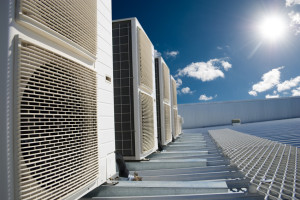
4 Things That Every Commercial Property Owner Should Remember

commercial fansOwning commercial property for the first time can be stressful. There are so many factors to consider, you can feel overwhelmed quickly, and the problems have a way of piling up. That’s why the most important thing before any property deal — and any major decision for that matter — is to plan out everything.

Here are a few important things to remember as a commercial property owner:

Parking
A lot of first time commercial property buyers tend to forget major aspects of property ownership during the beginning stages. Forgetting something as important as parking could ruin your entire business, whatever it may be. If you have a certain amount of space and you end up allocating too small an amount for parking, people will take their business elsewhere.

Fire Exits
Another major aspect of property ownership, and one that could get you in trouble with the law, is having the proper amount of fire exits.

Remember: all commercial buildings must have at least two fire exits in the event of an emergency so that employees can exit quickly and safely. If your business is much larger than the average business, you may be required to have additional exit routes on your property. When in doubt, contact your local fire department, because it’s only a matter of time before they stop by for an inspection anyway.

Of course, it’s not enough to have fire exits. They must remain accessible and unblocked at all times. And while it may seem like overkill, your employees are never too old for a good old fashioned fire drill.

Commercial Fans
Utilizing high quality exhaust systems and commercial fans is an essential part of property ownership. Without the right exhaust fans and ventilation, moisture, dust, and even dangerous chemicals can quickly build up in the air. Not only could you run afoul of regulations, but that also puts you and your employees at risk.

On top of that, if you aren’t careful poor ventilation will also result in extremely bad working conditions when it gets too hot inside. Running expensive air conditioning units all the time isn’t feasible for most property owners either; however, bringing in commercial fans and easing back on central cooling by even three degrees can end up lowering energy costs by up to 15%.

The type of commercial fans, exhaust fans, and ventilation system you need will vary according to the size of your building and specific industry. Fortunately, new innovations make these systems more efficient than ever before. For instance, demand ventilation controls can reduce the costs of operating an exhaust system by 30 to 50% and can even be retrofitted to existing hoods.

Storage Space
Another common mistake: planning for the present, but not the future.

Businesses, like people, can often acquire a lot of stuff over the years. If you plan to use nearly all of your space immediately, there will be no space leftover for other important items. You don’t have to leave entire rooms empty, but just be aware of the possibility of having more things than you do space to put them.
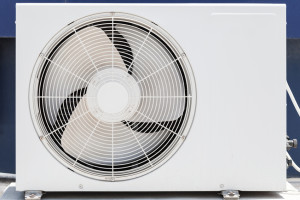
Warehouse Property Owner? Here are 3 Things You Should Consider

fantech exhaust fansRunning your own warehouse company can be a lucrative and fulfilling job, but it is far from easy. Being responsible for any type of property, no matter how small, is overwhelming. So, try adding in a large building with industrial equipment specifications, labor safety laws, employee accommodations, and various other factors.

Luckily, it’s not all that bad. If you go into purchasing a warehouse without any succinct plan, you’re probably going to struggle. But if you plan out everything from the beginning, you should be on your way to running a successful operation.

Here are a few things that every warehouse property owner should consider before any deals are finalized.

Distinct Layout Plans
To ensure that your employees, once a part of the staff, will be at their most productive, you have to make sure that not every square foot of your property looks exactly the same. Doing that will undoubtedly lower workplace morale. If their break room looks exactly like their workspace, it’s never going to feel like they have any time to relax.

You have to plan out the layout before moving in and be sure to consider quality of work life factors like bathroom space, hallways, break rooms, main foyers, and all other areas.

Centrifugal/Exhaust System
Another part of property ownership that needs to be addressed right away? The centrifugal and exhaust system that will be providing ventilation and cooling for the entire building. Fantech exhaust fans can provide high quality ventilation throughout a large building. It’s also important to find exhaust fans that will work for your particular space. For buildings that get really hot, the laminar fan, which is popular in hospital buildings, can keep air circulating up to 300 times per hour to ensure a cool workplace.

Another benefit of using these fans is that they limit the amount of stress placed on your air conditioning system. Your overall energy bill could be much lower than if you only used air conditioning units. Lowering air conditioning cooling by only three degrees could even decrease AC costs by 12 to 15%, and Fantech exhaust fans are a great way to do that.

Bathroom Ventilation
It’s important to note that the bathroom exhaust system should not be the same as the rest of the building. And as described above, it’s important to choose fans and exhaust systems optimized for that particular space. For instance, some bathrooms have higher ceilings. More venting and Fantech exhaust fans may be required if a bathroom’s ceiling is over eight feet tall.

Pro Tip: To determine the exact size of an exhaust system you’ll need for your bathroom, take the volume of the bathroom and divided that number by five.

Own a Commercial Building? Don’t Forget About These 4 Aspects

commercial fanBuying a commercial building can be a great decision if you’re serious about putting in the work. Don’t think that just because you have an idea for a business, you can walk into any commercial building and start selling your product. There are a lot more factors that go into the process that you must consider.
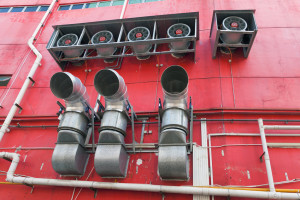
Here are a few tips regarding commercial buildings:

Electrical
It’s important to understand all the ins and outs of your commercial building’s electrical systems. You must determine your electrical plans for each area of your building, including each individual room, hallway, foyer, attic, basement, parking lot and other outside areas. All the equipment you plan to use needs to be inspected beforehand as well, along with the location of each device.

Plumbing
This aspect of your building will probably not be your favorite but it is still one of the most important. You need to take the plumbing extremely seriously throughout your entire building. One of the quickest ways to have your business shut down and kicked out of the building is by having a faulty plumbing system. Consult with professionals who can assist you throughout the entire process and ensure everything is up to par.

Exhaust System
The commercial fans in your building are just as important as the walls themselves. Not only do they provide ventilation for your whole structure, if properly installed, they can also save you money on energy expenses. Installing electronically commutated motors (ECMs) on a small commercial fan has been known to save approximately $200 a year per fan. Easing back on air conditioning (AC) costs can bring down energy expenses as well — proper commercial fan placement is an efficient way to do that. Demand ventilation controls can reduce the cost to operate your building’s exhaust system by up to 50%.

Fire safety is perhaps the most important aspect of building operations, as lives are at risk. Make sure that the entire building meets proper fire safety requirements and you have enough emergency exits and plans available. If there are any hazardous materials onsite at your building that you must fill out a Hazardous Materials Permit Application.

5 Things to Keep in Mind When Designing a Building

exhaust fansOperating a building takes a lot of work. With so many crucial factors to keep in mind, making a single mistake could jeopardize the entire structure. Here are a few important things to keep in mind:

Property Lines
No matter where your building is located, it’s an absolute must to figure out the exact amount of space you have on your property. Even if you’re building on an empty lot, there is a chance that a new building will be built next to you in the future and if you built over your property line, you could face major issues.

Exhaust Fans
Having exhaust fans properly installed in your building can save you a lot of money on energy bills. By using fans and avoiding air conditioning, you could trim your cooling costs by up to 15%. Determining the minimum size exhaust fans for your building requires you to take the volume of each room and divide that number by five. Bathrooms with ceilings over eight feet tall, though, could require additional ventilation.

Parking Space
Parking lots should be planned ahead and not pushed off for the last second. Depending on the business that will operate out of your building, parking lots could have specific requirements that must be followed. You don’t want to make the mistake of building a gigantic structure with no room on the property to park. Figure out a rough estimate of parking spaces and add on a few more just to be safe.

Layout
The layout of each room, hallway, and f
oyer should be carefully thought-out and blueprinted well before the building project begins. Every single detail of the building should be mapped out and thoroughly designed to ensure there are no issues once the building is created.

Budget Everything
This one should be obvious, but there are many people who begin the building process and then are short of cash when it’s time to do everything else. This is not a project that can be completed in a couple of days. It’s going to take months for complete installation, so it’s imperative that everything is thought-out, planned for, and budgeted.

Own a Restaurant? Keep These Three Things in Mind

fansOwning a business can be extremely complicated. There are so many aspects that need to be handled: the actual product or service, employees, payroll, expenses, cleaning, and so much more. It can get pretty overwhelming if you aren’t careful.

If you own a restaurant, you’ll find out that it can be even more complicated than other types of businesses, particularly when it comes to cleaning. While cleanliness is important for all industries, it’s absolutely essential in food service.

Restaurant owners understandably worry about the quality of their food more than anything else. It’s important that they also focus on their restaurant exhaust fans in order to maintain a clean workspace — and maybe even save a few bucks.

Cleaning
Restaurant fans should be cleaned much more often than other types of exhaust systems. Typically, restaurant exhaust systems are cleaned at least once every three months. That should be the maximum amount of time spent in between cleans. Regularly cleaning exhaust systems can ensure your restaurant is meeting all the sanitary and health requirements for food service.

Cutting Costs
Having an efficient centrifugal system in your restaurant can preserve energy and save money. Cutting down on your central cooling by only three degrees Fahrenheit can lower air conditioning expenses by up to 15%. Utilizing fans in place of air conditioning is a great way to lower prices even more. Electronically communicated motors (ECMs) can be installed on an individual two-fan walk-in freezer and can save up to $200 a year per fan.

Bathroom Exhaust
Just because you own a restaurant doesn’t mean you should only focus on the kitchen and dining area exhaust systems. A restaurant’s bathroom needs to be just as clean and just as cool as the rest of the building. To determine the minimum size fan you will need for your bathroom, you’ll have to take the volume of the room and divide it by five. Some bathrooms with larger ceilings — over eight feet tall — require additional venting along with the exhaust system.

Owning a restaurant can be difficult, but if you take every aspect of your business into consideration, and focus plenty of time and effort into each part, you have a greater chance for success.

Energy Consumption Fan Technology is Changing the Global Centrifugal Industry

commercial centrifugal fanThe global demand for energy consumption (EC) commercial centrifugal fans is on the rise.

In Germany, motor and fan manufacturer Ziehl-Abegg is investing more than $31 million for an expansion to address the increasing global demand for EC commercial centrifugal fans.

“We are equipping ourselves for the future,” said Peter Fenkl, chairman of Ziehl-Abegg. “We are strengthening the position of Germany as a production location.”

Fenkl also stated that these fans are a growing product and that “energy consumption by electronic drives in fans will be further tightened by no later than 2020.”

These energy efficient fans can be used in industries all over the world and not only will preserve energy, but will cut down on costs as well.

Demand ventilation controls can lower exhaust system operations costs by up to 50%, and this technology can be installed on new or existing fans. Other efficient fan motors like the electronically commuted motor (ECM) can be installed on small fans inside walk-in freezers and can save approximately $200 a year for every fan that uses the EC technology.

Another type of commercial exhaust system that is one of the most popular in the United States is the laminar fan. These fans are often used in large buildings like warehouses and hospitals and can keep air circulating at a rate of up to 300 times an hour.

With all the recent interest in EC fan technology, the 2016 Worldwide Centrifugal Fan Industry has released a new study detailing how this technology can be utilized by market vendors, developers, various heavy-duty applications, and other businesses.

The research also details the current effect that commercial centrifugal fans are having on the market and speculates as to what potential prospects the market might see regarding this technology.

The report calculated all the revenue earned from each region across the globe and used that data to determine which countries will lead in the production and distribution of these fans, as well as what individual companies will be the front-runners.

The centrifugal fan industry, although somewhat under the radar, is growing significantly, and over the next few years we can expect to see revolutionary changes in the market.

3 Businesses Benefiting from Quality Centrifugal Systems

commercial air blowerOwning a business or being in charge of property comes with a lot of responsibility. You have so many factors to consider: safety, zoning restrictions, payments, energy, and much more. Knowing that each aspect of property owning is as important as the next can save you from unwanted stress down the road. Many businesses do not think about ventilation as much as they maybe should, but there are three different types of organizations that benefit from proper ventilation.

Restaurants
Restaurants wouldn’t be able to function without a quality centrifugal system. They have to have the correct kind of ventilation throughout the building, in the dining area, in the kitchen, and in the freezer. Each area requires a different exhaust fan, but all are important.

Tip: Installing an “electronically commutated” motor on a small, two-fan walk-in freezer can save more than $200 a year per fan!

Hospitals
Hospitals basically require the highest-quality ventilation more than any other industry. There are thousands of people working and patients being helped throughout a hospital, so it’s important that they have access to cool, clean, healthy air. When installing the ventilation system at a hospital, the sone rating is considered for every fan. The range of a sone rating is from 0.5 to four (four being extremely loud) so in an area with a lot of patients who need assistance, having a loud exhaust system can be detrimental.

Tip: One type of fan that works well in hospital environments is the laminar fan. Laminar fans circulate air up to 300 times per hour.

Warehouses
The commercial air blowers that are in warehouses and factories are extremely important as well. These buildings can feel overcrowded and with all the equipment operating at high energy levels, it can feel overly hot in there. Quality commercial air blowers will ensure that the workers and the equipment stay cool.

Tip: Some warehouse rooms can be very large, to determine the minimum size exhaust fan you’ll need, divide the volume of the room by five.

Whether it’s installing a proper exhaust system for a freezer, a commercial air blower for a large factory, or an industrial ventilation system for a hospital; proper ventilation should not be overlooked.

If you’re in need of ventilation assistance or installment, contact us today!

Ventilation Fan Market Projected to Reach $2.4 Billion by 2023; Keep These Tips in Mind

chimneyThe global market for ventilation fans is expected to reach $2.4 billion by 2023.

According to Transparency Market Research, their report Ventilation Fans — Global Industry Analysis, Size, Share, Growth, Trends and Forecast, 2015 – 2023, showed that in 2015 the ventilation fan market was worth $1.6 billion and now is projected to almost double over the next seven years.

Some of the key factors that are driving the increase include commercial, residential, and industrial infrastructure development; government regulations on industrial ventilation fans; and the increase in awareness regarding indoor air quality.

With the ventilation fan industry expanding, property managers should be aware and knowledgeable about every aspect of their centrifugal systems. Commercial chimney fans, bathroom fans, and anything else involving ventilation is just as important as the roof over your head. Here are a few things to keep in mind when it comes to ventilation for your building.

  • Demand ventilation controls (DVCs) can reduce the operation cost anywhere from 30 to 50% on an exhaust system.
  • Utility fans are typically mounted on the roof where high-static pressure losses are. Chimney fans are separate from these utility fans but one can be installed on top of a chimney if necessary.
  • Calculating the minimum size of an exhaust system for a bathroom is done by taking the volume of the room and dividing it by five. Bathrooms with ceiling heights more than eight feet tall might require more ventilation.
  • If you’re operating a restaurant, you should clean the entire restaurant exhaust system at least once every month.
  • Installing “electronically commutated” motors (ECM) on a small two-fan room can save about $200 a year per fan.
  • The sone rating is how to determine the amount of noise an exhaust fan will make. Sone ratings range from 0.5, which is extremely quiet, to four, which is very loud.

 
There are many things to keep in mind when dealing with property management. Just know that ventilation should not be overlooked. It certainly won’t be over the next few years once it surpasses that $2 billion mark.

5 Things to Remember When Installing Fans

duct fansInstalling fans and proper centrifugal systems can both positively and negatively affect your building or business. There are many aspects to keep in mind — whether you’re installing a fan system in a warehouse, restaurant, or residential building or installing an energy-efficient centrifugal system inside a school, hospital, or municipal building.
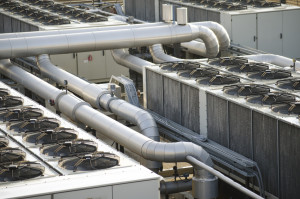
Installing Fans:

  • Demand Ventilation Controls — DVCs typically reduce operation costs of exhaust systems by anywhere from 30 to 50%. DVCs can also be installed on new hoods or retrofitted to existing hoods.
  • Sone Rating — The sone rating is a unit that relates to loudness that equals up to 40 phons. A sone rating dictates how loud your exhaust or duct fans will be. A maximum sone rating of 4.0 is extremely loud while the lowest sone rating for a fan is about 0.5, which is barely even audible.
  • Bathroom Fans — It’s important to have the correct dimensions necessary for proper ventilation regarding bathroom operations. By taking the volume of the entire bathroom and dividing that number by five, you will be able to calculate the minimum size needed for a bathroom exhaust fan. Keep in mind that if the bathrooms that you are installing the exhaust systems have ceilings over eight feet high, there may be additional venting necessary in addition to exhaust fans. Duct fans can ventilate bathrooms with larger dimensions.
  • MERV Rating — A minimum efficiency reporting value rating of 17 or higher means that it can be used in lieu of exhausting air from inside to the outside. Of course, only if those filters are a part of a ventilation system that is successfully recirculating air.
  • Saving Money — Cutting back on central cooling by only a few degrees can lower air conditioning costs by up to 15%. Also, installing electronically commutated motors (ECM) to small, walk-in freezer fans can save up to $200 a year per fan.

 
Knowing how to save a few bucks by trimming AC costs, where the best places are for installing duct fans, and the proper dimensions for bathroom ventilation can really help your business. A lot goes into these structural decisions. Educate yourself on centrifugal systems, and anything else you might need to know down the line.

Save Money With a Proper Centrifugal System

fanRunning a business or owning any kind of building takes work and you have to account for so many aspects. From the maximum possible capacity of your building to plumbing specifications, it’s important to not leave out anything. Whether you’re dealing with commercial buildings, warehouses, residential buildings, restaurants, schools, hospitals, municipal buildings, or any other structures, take everything into account.

Having the right centrifugal systems on your property can help save you and your business money. Just doing little things might shave off a few dollars here and there, but doing these little adjustments now could result in a very large profit gain down the road.

  • Demand Ventilation Controls — A great way to reduce cost of operation is to use demand ventilation controls. DVCs can reduce the cost to operate an exhaust system by 30-50%. DVCs can be installed as a part of any retrofitted hood, existing hood, or new structure.
  • Electronically Commutated Motor — Electronically commutated motors can save a tremendous amount of money per year that adds up to an incredible amount over time. Efficient fan motors installed on even a small walk-in freezer can save about $200 a year, per fan.
  • Lowering Central Cooling — Bringing down the price of central cooling costs can be done simply by adjusting the temperature. Easing back on your cooling system by only three degrees could end up lowering your air conditioning costs by 12 to 15%.
  • Utilizing More Fans — If you’re worried about spending too much money on air conditioning costs, simply removing your AC unit from your building and using more fans can be a great and energy efficient way of saving money. Even if the centrifugal system you are dealing with is in a large building like a school or hospital, there are industrial fans that can be used to effectively cool the entire building. An industrial laminar fan can keep air circulating up to 300 times per hour, that is a great way to cool your building.

 
It’s easy to forget certain aspects of property management, but the more careful you are with everything, the more successful the organization will be. Focusing a healthy amount of time on centrifugal systems can end up saving you money in the long run.