Negative Pressure vs. Positive Pressure Ventilation: How Industrial Exhaust Fan Strategy Changes the Outcome

Most facilities have exhaust fans. Fewer have a deliberate pressure strategy behind them. That distinction matters more than many operators realize because the way industrial exhaust fans are sized, positioned, and balanced against supply air directly determines the pressure condition the building operates under, and each condition produces meaningfully different outcomes for air quality, contamination control, and operational performance.

Negative Pressure Is Created When Exhaust Exceeds Supply

When industrial exhaust fans remove more air than is mechanically supplied, the space operates under negative pressure. This pulls air inward through any available opening, which is deliberately used in facilities where containment is the goal.

Paint booths, chemical processing areas, isolation rooms, and facilities handling hazardous fumes are designed around negative pressure because inward airflow direction prevents contaminants from migrating to adjacent spaces or escaping through doorways and penetrations. The trade-off is that without a controlled makeup air source, replacement air enters through uncontrolled gaps, bringing unconditioned outside air, dust, and contaminants with it.

Positive Pressure Is Created When Supply Exceeds Exhaust

When supply air volume exceeds exhaust capacity, the space operates under positive pressure, pushing air outward through every gap and opening in the building envelope. This outward pressure acts as a continuous barrier against outside air infiltration.

Clean manufacturing environments, food processing facilities, pharmaceutical production areas, and electronics assembly spaces use positive pressure to prevent outside contaminants from reaching sensitive production zones. The exhaust system in these facilities is sized specifically to allow supply to maintain the positive differential without over-pressurizing the envelope to the point of causing door resistance or structural stress at penetrations.

Exhaust Fan Configuration Determines Which Condition You Get

The pressure condition a facility operates under is the direct result of how industrial exhaust fans are sized relative to supply air, not an incidental outcome. A facility with high-capacity roof exhaust and minimal mechanical supply drifts toward negative pressure. Strong supply capacity with modest exhaust creates positive pressure. The balance point between them determines where the actual operating pressure lands.

This is why industrial exhaust fan selection cannot happen independently of the supply side. Specifying exhaust capacity without knowing supply air volume, entry points, and building envelope characteristics produces a pressure condition by default rather than by design.

Variable speed drives on exhaust fans add meaningful control here, allowing exhaust capacity to adjust in response to changing supply conditions and maintain a target pressure differential rather than a fixed exhaust rate regardless of operating conditions.

At Brooklyn Fan & Blower Sales Company, we supply industrial exhaust fans suited for both negative and positive pressure ventilation strategies. Contact us to discuss your facility’s pressure requirements and find the right configuration for your application.

Frequently Asked Questions

Q1. What is the difference between negative pressure and positive pressure ventilation?

Negative pressure ventilation occurs when industrial exhaust fans remove more air than is supplied, pulling air inward through openings. Positive pressure ventilation occurs when supply air exceeds exhaust volume, pushing air outward to help prevent outside contaminants from entering the space.

Q2. Why is negative pressure used in certain industrial facilities?

Negative pressure is commonly used in environments handling hazardous fumes, chemicals, smoke, or airborne contaminants. It helps contain contaminated air within a controlled area by preventing it from migrating into adjacent spaces or escaping through openings.

Q3. How do industrial exhaust fans affect building pressure conditions?

Industrial exhaust fans directly influence building pressure by determining how much air is removed compared to how much supply air enters the facility. Fan sizing, airflow balance, and variable speed control all affect whether the building operates under negative, positive, or neutral pressure conditions.

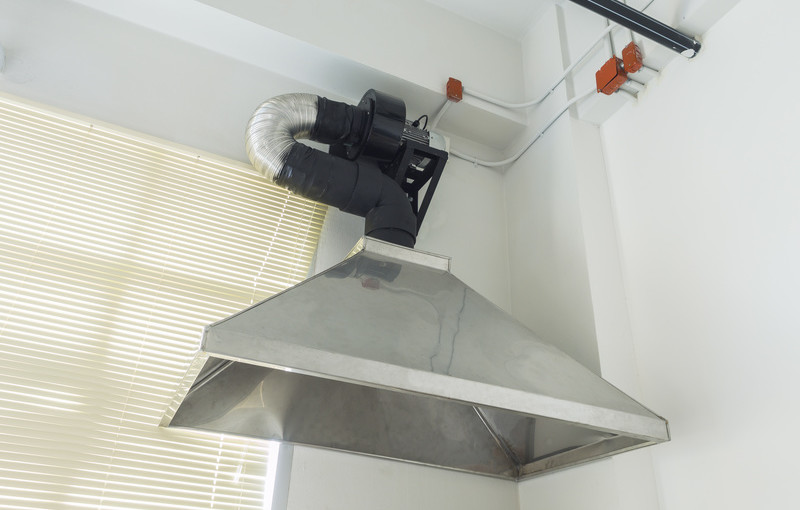
Why a Reliable Industrial Exhaust Fan Matters for Facility Safety and Efficiency

A well-designed ventilation system plays a pivotal role in how smoothly a facility operates. Whether it’s a warehouse, manufacturing plant, commercial kitchen, or production floor, the air quality inside the space impacts everything from employee comfort to equipment performance. This is where choosing the right industrial exhaust fan becomes essential. The right system helps reduce heat, remove airborne contaminants, and keep operations running without unnecessary interruptions.

Improving Air Quality Where It Matters Most

Air quality is one of the most overlooked elements in large buildings, yet it affects nearly every part of the workflow. Dust, fumes, smoke, and humidity can easily build up without a proper ventilation setup. This benefits both employees and machinery, particularly in environments where chemicals, welding fumes, or heavy equipment are present.

When the air is cleaner, workers stay healthier and more productive. Reduced exposure to lingering contaminants can lower the chances of respiratory issues, irritation, or fatigue, ultimately contributing to better day-to-day morale.

Managing Heat and Enhancing Comfort

Facilities with large equipment, ovens, or high-powered machinery naturally generate heat. When that heat accumulates, it not only affects comfort but also impacts the performance of both workers and machines. A quality industrial exhaust fan helps release trapped heat, creating a more controlled indoor environment.

Maintaining consistent temperatures makes processes more efficient and reduces the strain on HVAC systems. In large industrial settings, this can also translate to energy savings, as cooling systems don’t have to work as hard to compensate for rising temperatures.

Reducing Moisture and Preventing Long-Term Damage

Moisture buildup can be a serious challenge, leading to corrosion, mold, and compromised structural integrity over time. Warehouses, food processing centers, and manufacturing facilities are especially vulnerable if their airflow is not properly regulated. An effective industrial exhaust fan continually pushes humidity out of the building, helping to prevent moisture-related damage.

This simple addition to your ventilation system can extend the lifespan of equipment, protect stored goods, and reduce the risk of downtime due to repairs. For facilities that must meet strict safety or sanitation standards, keeping humidity in check is non-negotiable.

Supporting Compliance and Workplace Safety

Industrial facilities are required to meet certain air quality and safety standards. Proper ventilation is often a key component of those regulations. An industrial exhaust fan does more than improve comfort; it supports compliance with guidelines related to fumes, smoke, dust, and indoor air circulation.

Whether you’re working in a chemistry lab, an automotive shop, or a heavy-duty production plant, reliable ventilation helps reduce fire hazards, protect against airborne contaminants, and maintain safer working environments. It’s an investment that supports long-term safety and reduces risk across the board.

Boosting Productivity Through Better Airflow

When employees are comfortable and working in cleaner conditions, productivity tends to rise. Overheating, poor air quality, and stagnant airflow can quickly slow down operations. By integrating an industrial exhaust fan into your building’s setup, you can help optimize the environment for better focus and efficiency.

Proper airflow also helps equipment run more reliably. Machines operated in dusty or overheated conditions experience more wear, require more frequent maintenance, and face a higher chance of failure. Improved airflow helps extend equipment life and reduces downtime.

Choosing the Right Ventilation Solution

Not all ventilation systems are the same, and each facility has its own challenges. Choosing the right industrial exhaust fan depends on factors such as building size, airflow requirements, type of contaminants present, and the heat levels produced by machinery. Working with a knowledgeable provider ensures that your system is properly sized, installed, and optimized for long-term performance.

Industrial fans are available in various configurations, including roof-mounted, wall-mounted, and centrifugal styles. Each option provides specific benefits depending on your facility’s layout and the type of airflow support you need.

The right ventilation system is essential for maintaining a safe, productive, and compliant workspace. A quality industrial exhaust fan helps improve air quality, manage heat, reduce moisture, and support overall efficiency throughout your facility. When it’s time to upgrade or install a ventilation system, Brooklyn Fan & Blower Sales Company, Inc. offers reliable solutions designed to meet the needs of commercial and industrial spaces. Visit to explore ventilation options that can help create a healthier and more efficient environment.

Why Should Your Facility Invest in a High-Performance Industrial Exhaust Fan?

In large-scale operations, maintaining proper airflow is more than just a comfort upgrade—it’s essential for productivity, safety, and long-term equipment reliability. That’s where an industrial exhaust fan proves invaluable, delivering high-performance ventilation designed to meet the rigorous demands of industrial environments. Whether supporting a warehouse, factory, or heavy-duty production facility, these powerful systems help regulate air quality, eliminate harmful fumes, and stabilize temperatures throughout the year. Investing in a robust exhaust system ensures a cleaner workspace, improved efficiency, and a smarter approach to operational sustainability.

Enhanced Air Quality for Healthier Workspaces

Ensuring clean air in industrial settings isn’t just a best practice—it’s essential for workplace safety and regulatory compliance. Designed to expel contaminated air and replace it with fresh circulation, an industrial exhaust fan plays a crucial role in eliminating chemical vapors, dust, and excessive heat buildup. By reducing airborne pollutants, these systems improve indoor air quality, minimize employee fatigue, and create a safer, more breathable working environment, ultimately supporting both efficiency and long-term operational sustainability.

Boost Efficiency and Lower Operational Costs

When indoor temperatures climb due to heavy machinery or poor airflow, it leads to overworked HVAC systems and rising energy bills. A well-installed industrial fan can reduce the strain on your cooling system by assisting in consistent airflow throughout the facility. This not only contributes to a more efficient operation but also helps lower overall energy costs. With proper ventilation, machinery also operates more smoothly, reducing maintenance frequency and prolonging the lifespan of your equipment.

Built for Performance, Engineered to Last

Industrial fans are designed to handle intense workloads. Unlike standard units, they are constructed with materials and motor technologies that can withstand high-pressure environments, constant usage, and exposure to dust, fumes, or moisture. Investing in the right exhaust fan means investing in years of reliable performance, making it a vital asset to your facility’s infrastructure.

Precision Engineering for Better Air Quality

At Brooklyn Fan & Blower Sales Company, Inc., we’ve been supplying top-tier ventilation products for over a century. Our lineup includes premium-quality commercial and industrial fans, ventilators, and accessories for a wide variety of applications. Whether you’re retrofitting an existing space or planning a new facility, we’re here to help you find the right solution for optimal air movement and environmental control.

Transform your facility’s airflow today with high-performance solutions from Brooklyn Fan & Blower Sales Company, Inc.—where powerful ventilation meets lasting reliability.

Industrial Exhaust Fan Repair & Maintenance Tips

Industrial exhaust fans boost circulation in your restaurant’s kitchen. Keep them operating without a hitch with regular sessions of preventive maintenance. Here are suggestions on how to go about the process, to ensure years of excellent exhaust fan performance and steer clear of expensive repair costs.

Know the Signs

Familiarize yourself with the signs. Know what to look out for when it comes to common exhaust fan problems. If you know what they are and what they mean, you can ask for repair assistance immediately. Early repairs prevent issues from snowballing into bigger problems. For instance, if your fan is louder than usual, that could indicate a faulty bearing.

Check Your Fan

Even if you aren’t an expert, regular visual checks will allow you to spot signs of trouble, such as broken or worn belts, frayed wiring, and more. Ask for an expert technician to examine and fix your industrial exhaust fan.

Do the Math

How much will the repairs set you back for? How much is a new unit? Calculate the costs. Repairs and maintenance can only get you so far. If the fan is beyond repair, you’re only throwing money down the drain. Also, if you keep paying for repairs, one after another, you’re spending more instead of saving money. It may be time to consider getting a replacement or upgrade.

Consider an Upgrade

If your exhaust fan hasn’t been replaced in a decade or even longer, that’s an excellent reason to shop for a new one. However, with so many options in the market, it’s smart to take time your time. Check out which features are popular. Which features can improve ventilation in your commercial kitchen even more?

Perform Routine Checks

Identify signs of damage through routine inspections. If there’s a faulty part, that could force components of the system to work harder. Get a maintenance program so parts of your fan won’t wear out sooner.

Clean Regularly

Cleaning is usually a forgotten step in maintenance. But routine cleaning helps ensure that your fan keeps working without a problem. Dust and debris buildup can compromise your exhaust fan’s performance. If you notice that the unit is slowing down or running into problems, hire pros to assess and fix the issues. Make cleaning a part of the system’s maintenance program.

Replace Parts

Some parts wear out faster than others. Replace those parts to keep your industrial fans running and working as good as new. Pay attention to parts such as fan belts, motor cover seals, fan blades, and more.

How to install and maintain industrial exhaust fans?

Whether at your warehouse or commercial kitchen, there comes a time when you have to replace your industrial exhaust fan. Typically, the reason for their replacement is due to an upgrade to the building’s cooling system or the industrial fan’s faulty functionality.

However, you can incur vast recurrent maintenance costs due to your improper installation technique. Therefore, here’s a helpful guide on properly installing and maintaining an industrial exhaust fan.

Installation Tips

  • · Ensure the installation surface is rigid enough to support the fan’s dead weight. For example, reinforced concrete beams are the best for factory industrial exhaust fans.
  • · Always purchase your replacement fans from an authorized dealer. Often, buyers opt for the cheapest option. However, the purchase turns out costlier than buying the premium brand.
  • · Additionally, always use flexible connections for the fan’s inlet and outlet. As such, you provide a larger cooling surface area for the hot exhaust air.
  • · Moreover, you must adhere to the manufacturer’s fan alignments since these are according to the fan’s tolerance levels. Any deviation to these measurements will only result in routinely expensive trips to suppliers.
  • · Furthermore, it is advisable to use quality vibration isolators in your installation. These are sturdy enough to withstand the highest vibration levels. As such, your fan stays intact and lasts longer.
  • · Finally, always use compatible fan supports during installation. Disregarding this fact only results in costly repeat repairs.
  • Is the above too much for you? Then, why don’t you reach out to us, and we will send a team right over. You can learn more about Brooklyn Fan & Blower Sales Company (BF&B) by checking out our website. Also, you can ask your friends or read what our clients are saying.

Maintenance Tips

Once installation is complete, here are some tips on ensuring you get maximum value from your industrial exhaust fan

  • · Prepare a routine maintenance schedule for your fans. For example, bath exhausts require monthly clean-ups to prevent mold growth and ensure your bathroom’s premium indoor air quality.
  • · Also, ensure that you have an authorized and certified fan service provider on call for emergencies. For example, BF&B is your authorized supplier for PennBarry, Delhi, and Fantech Fans.
  • · Finally, always ensure that you regularly lubricate the fan wheel and inspect it for any faults. Doing so prolongs its operating lifetime.
  • You needn’t worry about how to properly install and maintain an industrial exhaust fan. Instead, follow the above tips, and you will be fine. Also, keep checking the Brooklyn Fan & Blower Sales Company blog for more information.

Critical Reasons to Order Your Industrial Exhaust Fan from Brooklyn

As the owner of a busy factory, you are responsible for keeping the conditions inside of it as safe and comfortable as possible. You also need to accomplish this goal without straining your operating budget.

Rather than invest in expensive air conditioners and heaters, you can instead keep air circulating by installing and using an industrial exhaust fan. These reasons are some to buy it from an experienced fan manufacturer today.

Safety First

One of the more critical reasons to buy it from a qualified maker of industrial fans involves keeping your workers and vendors safe. You need the fan to be made in a way that it will not pose a hazard to anyone who comes near it. It needs to be encased to keep it from contacting people inside the factory.

Comfort Levels

Another reason to invest in a fan-made by an experienced manufacturer involves making your factory as comfortable as possible. Regardless of the weather outside, you need to keep the people inside of the factory cooler in the summer and warm in the winter. A fan can help circulate the air and keep the inside of the building comfortable year-round.

You can find out more about the reasons to buy an industrial exhaust fan for your factory online. To get key details like the sizes available, pricing, and installation, you can reach out to Brooklyn Fan & Blower Sales Co at https://www.brooklynfan.com/.